Emerging Strategies for Risk  
 
Search      Advanced Search | Browse By Topic
Magazine Content
Home
Features
Columnists
Industry Risk Reports
In-Depth Series
Special Reports
R&I One® Content
News & Analysis
Editor's Choice Stories
Resources and Tools
Power Broker® Directory
Risk InnovatorsTM
Insights
Industry Events
WorkersComp Forum
Award Nominations
Vendor Directories
Webinars
RSS
R&I Information
Subscription Center
Advertiser Information
About Us
Contact Us
 

Newsletter Sign-up

Click on the name of the free newsletter below to preview:

R&I One®
WORKERSCOMP Forum TM Update
HTML Text
E-Mail Address:


Click here to unsubscribe
Privacy Policy
Preferences


Healthcare 2009 Risk Innovators


             2009 Risk Innovators: Healthcare
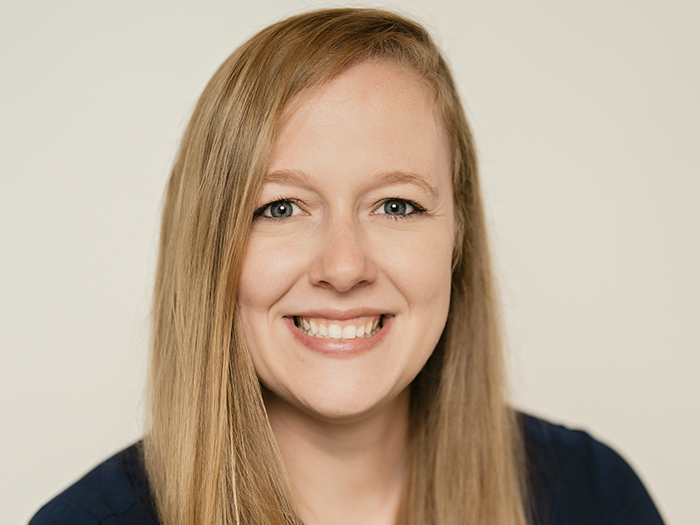
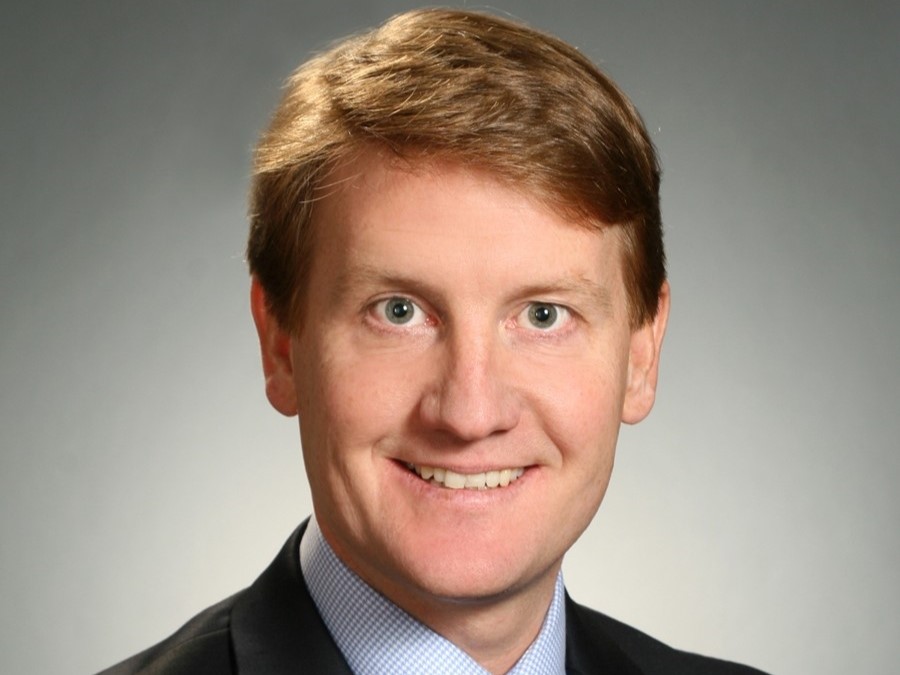
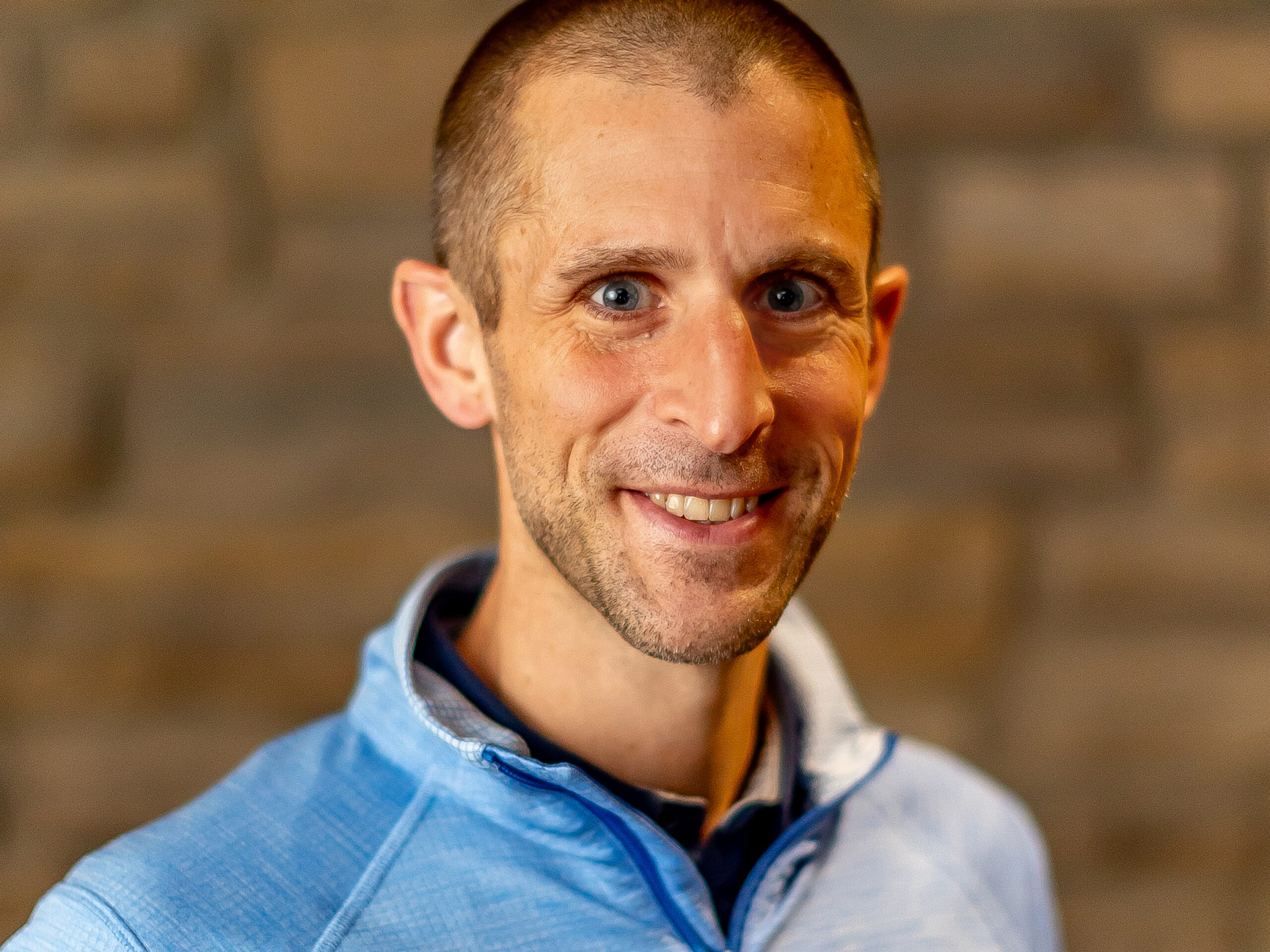
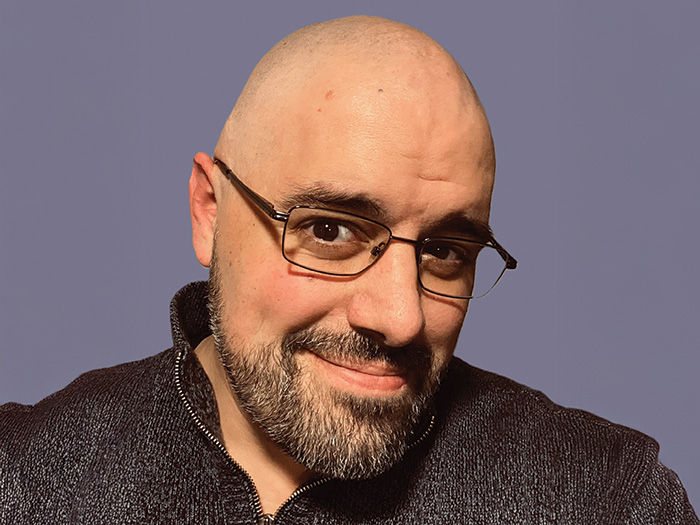
Dr. Nathan Cope
Chief Medical Officer
Paradigm Management Services
Concord, Calif.

Systematic Care Management hastens recovery from catastrophic injuries and lowers workers' compensation costs as well.

Of the three million work injuries that occur annually, only about 25,000 are catastrophic. But while catastrophic injuries represent less than 1 percent of all workers' compensation claims, they represent about 20 percent of those costs. That's because appropriate management is not provided to ensure that care is expert, timely and efficient, said Dr. Nathan Cope, chief medical officer of Paradigm Management Services in Concord, Calif. Most of the cost for catastrophic injuries occurs because of complications that arise, he said, from rejected skin grafts and lumbar surgery that fails.

Cope founded Paradigm Management Services some 20 years ago to change that. The proprietary Systematic Care Management procedures he designed have assisted more than 10,000 cases for more than 100 insurers, third-party administrators and employers.

An analysis by Seattle-based Milliman, the actuarial firm, found that conventional cases returned to work about 8 percent of the time, while Paradigm cases returned to work 40 percent of the time. Lifetime costs of conventionally managed injuries averaged three times those of Paradigm's clients' injuries.

Paradigm's typical cases involve such things as spinal cord injuries, traumatic brain injuries, severe burns and major traumas--or a combination thereof.

"When you have something like a broken arm," said Kelly Wilson, chief marketing officer of Paradigm, "there are medical guidelines. But they don't exist in catastrophic cases.

"With catastrophic injuries, there are multiple hand-offs," she said. "There can be five or six primary care physicians, multiple facilities and multiple surgeries. And a lot of the cost comes from complications--things like skin grafts that are rejected or lumbar surgery that fails.

"The way our medical system works today is great. There are experts in everything. But what is missing is someone who looks over the whole thing."

SYSTEMATIC
That's what Dr. Cope brings to the equation--a systematic scope of care, hands-on and implemented by experts.

Every case has a specialist physician assigned to oversee care and coordinate medical needs over the sequence of injury and recovery. Nurse case managers work on-site with the injured person and his or her family and/or caregivers to coordinate treatment and costs.

Paradigm has a vast database of medical experts from around the country who are fully versed in the latest techniques, as opposed to carriers' medical people who render decisions over the phone.

"What's the good of a former OB/GYN making telephonic decisions about care for a burn victim?" Wilson asked. "We bring in experts from the leading centers of excellence who stay with the case from beginning to end. The attending doctors are very receptive to that."

In addition, Paradigm bundles payments so that all payments go directly to Paradigm and Paradigm pays all the bills, including those for sometimes nonstandard but proven techniques known to produce better outcomes.

For instance, family support and help, often an underappreciated aspect of care, is something that Paradigm considers seriously when developing recovery protocol. "The strength of family relationships isn't part of most doctors' records," said Wilson. "But family support isn't just a nice thing. It's a huge thing.

"So if we have to fly a family member out in order to get a better medical outcome, we'll do it," she said. "No carrier will do that.

"But it can reduce costs because the patient gets better faster."

The innovations in care pioneered by Dr. Cope are based on the premise that when you do the best thing medically for a patient, the financial benefits will follow, she said.

"People looking at healthcare reform today are looking at things he started 20 years ago," said Wilson. "No one else is doing systematic care management like this. They're struggling in group health insurance now. They're looking for ways to measure outcomes.

"But we've been doing it for years. We have both medical and financial metrics for everything. And the combination makes the parts greater than the whole."

--By Julie Liedman

Responsibility Leader: Dr. Nathan Cope
There's a small group of catastrophic injuries that, too often, are written off, costing employers and insurers huge, ongoing medical expenses and confining injured workers to a life far more difficult than they ever expected.

It's those really tough injuries--severe brain trauma, spinal cord injuries and severe burns--that are the focus of the work of Dr. Nathan Cope. With missionary zeal, Dr. Cope has refused to accept that these cases are beyond help. Instead, with his focus on a unique team treatment program, his patients return to work about 40 percent of the time, rather than the 8 percent that is usual for these kinds of injuries.

The philosophy behind his program is that if you do the best for a patient medically, the financial benefits will follow. And it's this idea of "doing the right thing for the patient" that's behind much of the movement today for the reform of the U.S. healthcare system.

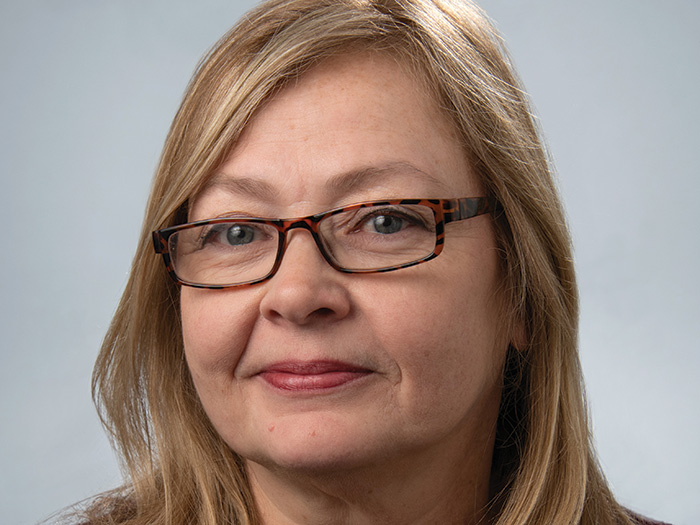
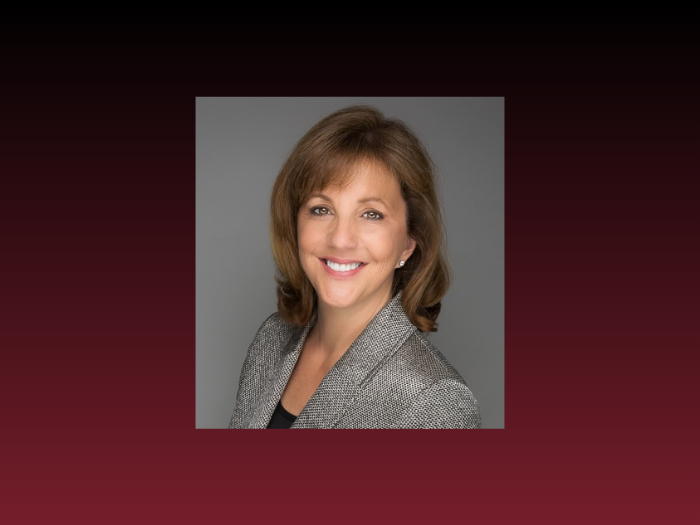
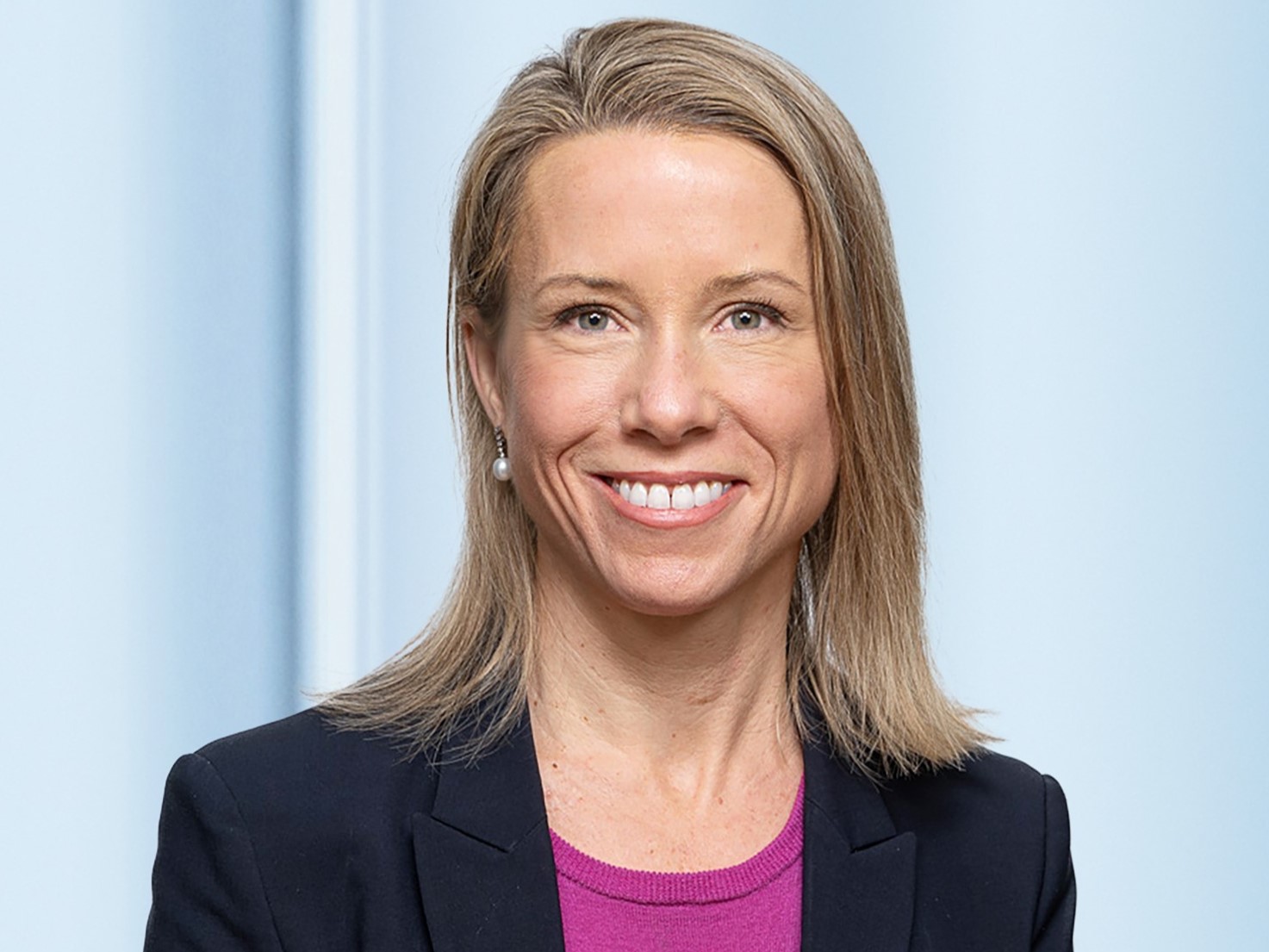
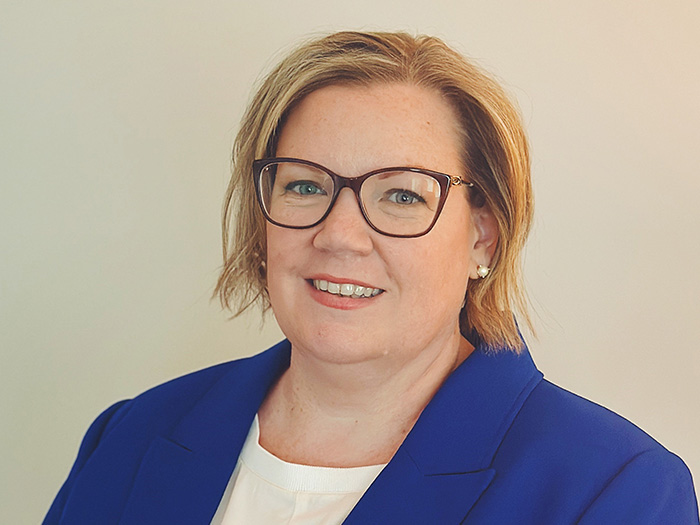
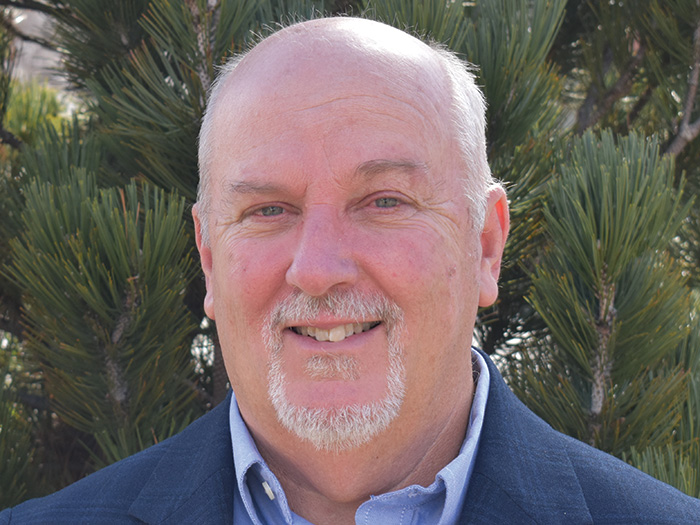
Judie Tsanopoulos
Director, Loss Control
St. Joseph Health System
Orange, Calif.

Taking the guesswork out of what an injured employee can and cannot do makes returning to work safer for employees and less risky for employers.

In a way, understanding the exact physical demands of every job in an organization seems so logical, so common-sensible. Figuring them out, however, seems complicated and downright tedious.

And so it was. For Judie Tsanopoulos, director of loss control at St. Joseph Health System, the 3,600 bed, not-for-profit Catholic healthcare system sponsored by The Sisters of St. Joseph of Orange, headquartered in Orange, California, developing the program was kind of a mission.

Tsanopoulos developed and implemented the Job Function Matching Program, a system that objectively measures the physical demands of each of the system's 24,000 employee's jobs and provides testing to measure the ability of injured employees who are returning to work to perform them. Now, physicians can make precise and medically sound recommendations regarding return-to-work assignments based on specific work restrictions.

"She challenged the normal way of approaching the return-to-work process," said Leif Guerrero, manager of disability and employee health at Mission Hospital, part of the St. Joseph system. "She put so much into it. Most of us would have thrown in the towel, but not her. She would not give up."

The program has significantly reduced modified workdays at a test hospital, St. Joseph Hospital in Orange, from 3,642 in the first year to 672 in the third year, and is now being implemented in the 14 other St. Joseph Health System hospitals in California, Texas and New Mexico.

In Guerrero's hospital alone, he said, the program has saved more than a million dollars in workers' compensation costs in the first year of operation.

The Job Function Matching Program was developed in response to what Tsanopoulos felt were vague and ambiguous work restrictions that physicians placed on injured employees returning to work. The restrictions often were based on subjective judgments that reflected anxiety about misdiagnosis and uncertainty about the nature of the tasks an individual could safely perform.

So Tsanopoulos asked: How do we know what an employee can or cannot safely do in relation to his or her physical work demands and how do we communicate that information effectively to medical providers?

To answer those questions, Tsanopoulos assembled a team of physical therapists, supervisors and employees to identify such physical metrics as force demands, physical movement demands and specific requirements of the essential job functions. To validate the process, activities were created for each job task that simulated forces, movements, positions and specific requirements. During this process, more than 3,000 job descriptions were narrowed down to 350 physical demand descriptions, all catalogued according to the physical demands of both essential and nonessential tasks.

OBJECTIVE BAROMETER
The process that was developed covers how post-injury evaluations are provided to the employee's treating physician, physical therapist and nurse case manager to determine the employee's course of treatment and return to work. During the recovery period, the employee takes a weekly Job Function Test, which enables the employee and physician to see the improvement. As the injured worker's abilities increase, so do the job demands, acting as an internal work-hardening program.

The result is that employees now can be measured against the physical demands of possible jobs with an objective barometer.

"She took away the subjective approach and brought measurable, clinically driven outcomes to the process," said Guerrero. "As a result, we're seeing employees coming back to work much sooner now--three months versus 16 months, for example--which decreases workers' comp costs."

The process also had some other, unexpected, results. For one, the comprehensive assessment of the whole work environment allowed the team to identify several re-engineering opportunities to make jobs safer and reduce risk. For example, microfiber mops were introduced, eliminating the need to lift heavy buckets.

In addition, Guerrero said, employee morale has noticeably improved. Negative language describing a patient's status has been replaced with more positive language. The idea of "work restrictions" has been eliminated and now the idea "physical abilities" is emphasized.

"The whole process fosters positive reinforcement, provides a safe, controlled environment that protects the individual from the fear of re-injury and preserves the patient's dignity during recovery," said Guerrero. "And the cost benefit of reduced workers' comp claims and less litigation makes employers very happy too."

--By Julie Liedman

Responsibility Leader: Judie Tsanopoulos
If there is one thing that characterizes our Risk Innovators as Responsibility Leaders, it's persistence. Judie Tsanopoulos at St. Joseph Health System refused to give up on her efforts to match appropriate medical treatment to specific work restrictions to ensure that workers can return to work.

To accomplish that task, she had to persist in changing the culture along with the treatment. Her program to change the culture of work at St. Joseph revolved around an effort to preserve the dignity of every injured worker or patient. It even meant changing the medical language to avoid negative repercussions.

And in the process, the changes improved employee morale and helped workers lose fears of reinjury during recovery and return-to-work. The result, besides employees returning to work more quickly, is fewer lawsuits and lower workers' compensation costs. And healthy employees too.

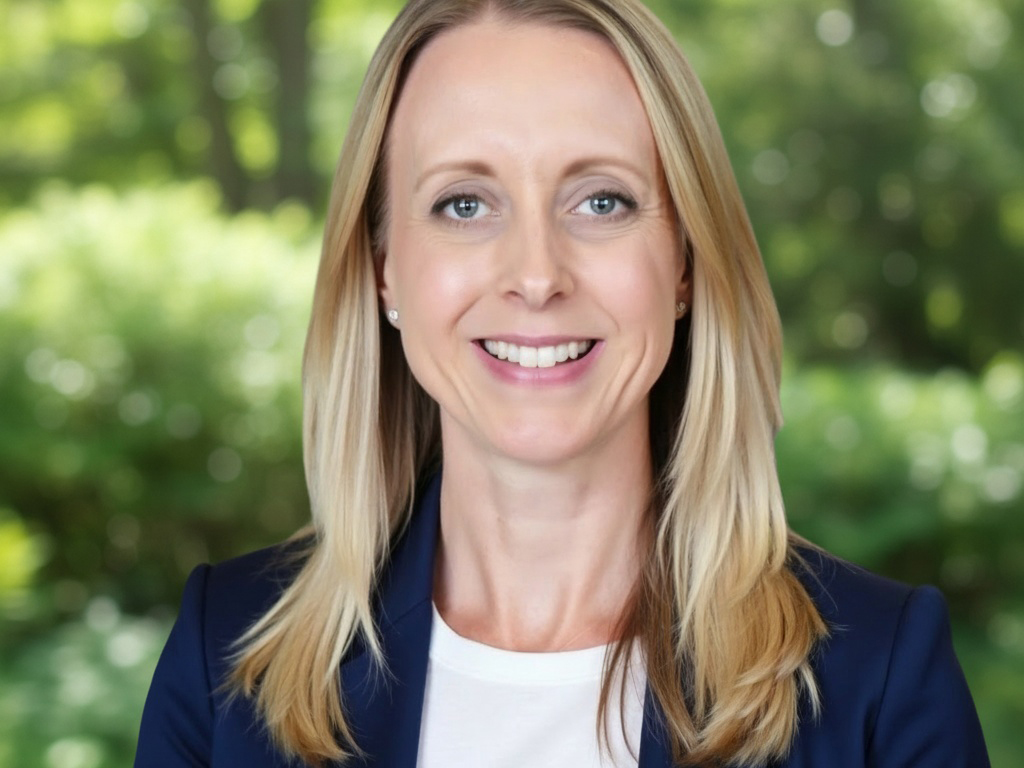
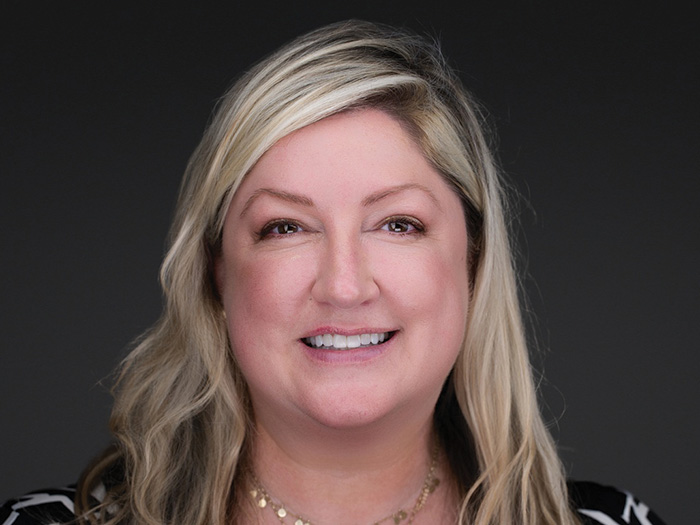
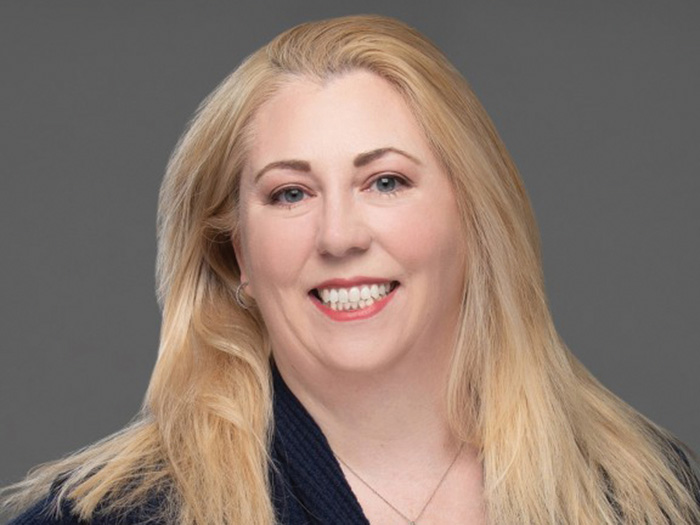
Gisele Posey
Senior Director of Workers' Compensation
Kindred Healthcare
Louisville, Ky.

Comp director had reduced costs and saved millions of dollars but she wanted to do more. So she dug and dug until she figured out how.

Question: What's the difference between Gisele Posey and a pit bull?

Answer: A pit bull eventually lets go.

In today's economy, most people would be content if the costs of whatever program they were responsible for simply didn't rise as fast as their peers' and competitors'.

Posey is not most people.

As senior director of workers' compensation for Kindred Healthcare, the Louisville, Ky.-based healthcare services company, Posey is responsible for some 53,000 employees in more than 600 facilities in 40 states.

Committed to reducing the cost of workers' comp., she instituted practices, particularly by emphasizing transitional duty, which reduced workers' compensation claims and saved the company more than $40 million in four years.

But even a successful program has trouble reducing costs year after year and last year Posey realized that her costs were rising despite a decrease in claims. True, the cost increases were less than the industry average. Posey could have been content to blame inflation and rising rates and pleased that Kindred Healthcare still was doing better than most.

She wasn't. Posey felt that the answer to why costs were increasing existed in the data. Global analysis showed a decrease in claims duration, which she felt might explain a temporary increase in claims costs.

But this change was not sufficient to explain the scope of the increase, she felt. After all, there were no catastrophic claims that would have had an impact on the results and there were few changes in individual categories of payments in medical or indemnity. Again, the data supported the fact that by payment groupings, Kindred was doing much better than its peer organizations.

Yet Posey didn't particularly care about such benchmarks. She cared only about Kindred's results. So she analyzed by pay code and by state.

Eventually, trends began to emerge. Posey saw decreases in Kindred facilities in most states but facilities in three states generated the highest workers' comp. claims volume and payments, which resulted in an increase in costs. Wondering what was happening in those states to make total costs increase, she concluded that the answer could be found by focusing on first-year costs in the top 10 highest-volume states compared to subsequent year costs in those three outliers. When those results were compared to the managed care results for the same period, the data began to show important differences.

How did she do it? The answers were found by getting team members in one room at the same time and analyzing what the comparison suggested against what the Kindred workers' comp managers were seeing in everyday claims handling.

PRACTICAL RESULTS
It turned out that people working on the same program, despite the best of intentions, were influencing global results through the individual decisions they made because they were not looking at the big picture and didn't understand what their roles were in the overall process.

By analyzing those decision points, Posey was able to identify solutions.

She found that a change in reporting criteria intended to save on claim fees would affect the success of data-driven analytics used for case management referrals. In fact, the criteria selected and the timing of referrals directly affect the cost savings.

In the end, practices that yielded immediate practical results were developed. Opportunities to improve savings through specialty networks were identified and are being implemented or refocused.

Causes for claim reporting delays were identified and plans were made for intervention at individual facilities where needed. Regular conference calls involving the whole team, including Kindred managers, are now being scheduled to talk about results and opportunities.

"A lot of people look at data and assume what it's going to tell them," says Susan Klakoff, an account executive for Sedgwick CMS, of Memphis, Tennessee, a third-party administrator that provides claims administration, managed care, program management and related services. "They try to justify something they want to do.

"Gisele is different. She's very focused on digging into details," Klakoff says. "Very focused."

--By Julie Liedman

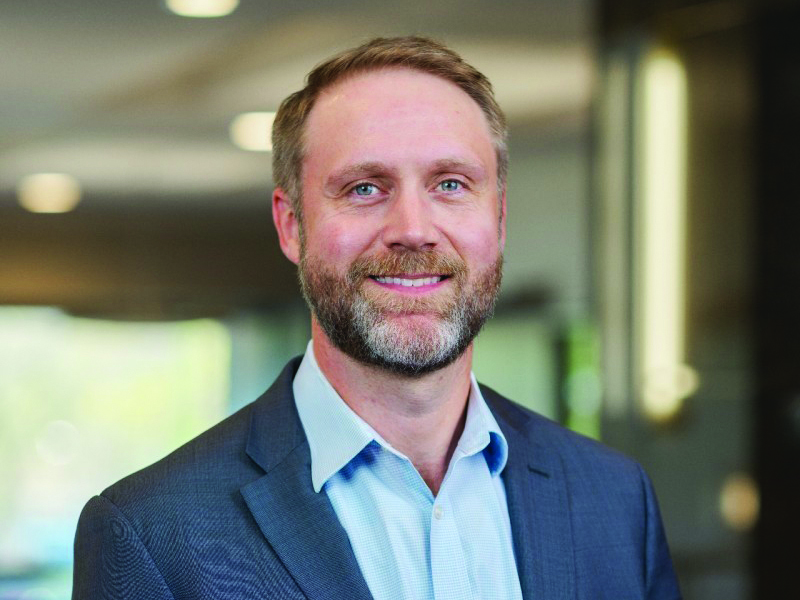
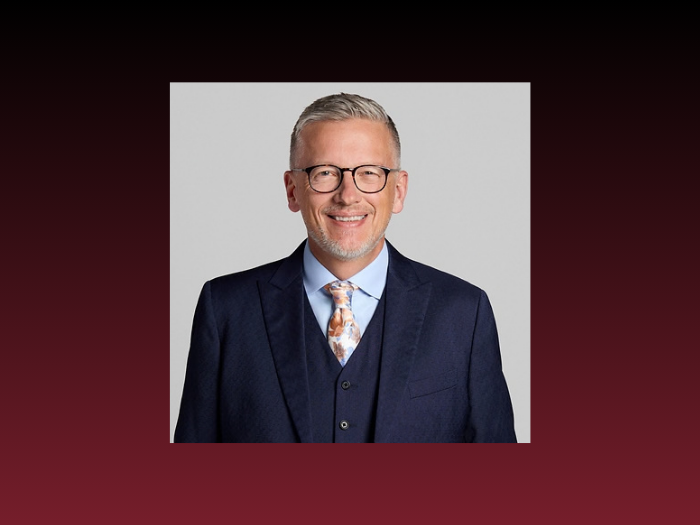
Jay Vandergrift
CEO
Wellness Coaches USA
Bluebell, Pa.

Making wellness convenient, relevant and very, very personal pays off for employees and employers alike.

Workplace wellness programs are an emerging trend in the national effort to lower healthcare and workers' compensation costs by encouraging workers to make lifestyle changes that can help improve health and prevent injuries.

But Jay Vandergrift said many workplace wellness models simply do not work. The problem, he said, is that most consist only of wellness information and/or periodic telephonic wellness coaching that results in only 10 percent to 20 percent employee participation at best and does not usually lead to any actual health or safety behavior changes.

He thought he could do better. But how?

"Jay came from a background where he provided rehabilitative therapists on-site," said Gene McGuire, one of Vandergrift's business partners. "He helped companies contain costs by providing therapy on-site.

"And while people were in rehab, they asked questions about health--how to lose weight, how to stop smoking, how to handle stress. He thought, 'This system is great for people who are injured,' " McGuire said. " 'Wouldn't it be great to help prevent illness and injuries, too?' "

And so Wellness Coaches USA was born. It took Vandergrift, who is CEO, four years to perfect the model.

Today, Wellness Coaches USA provides face-to-face, personal wellness coaching and mentoring on-site to businesses that include the likes of Conway Freight and Merck. Vandergrift said the system consistently gets the job done, with 80 percent or more employee participation and 20 percent decline in costs associated with new injuries.

"Most people don't change behaviors just because someone wants them to or because they're offered an incentive or even a disincentive," McGuire said. "But we've discovered that personal coaching drives behavior changes. It doesn't matter what industry they're in--people don't want to be told how to live their lives."

Wellness Coaches USA sends professional wellness coaches right to the workplace to engage employees personally. The wellness coaches--exercise physiologists or trainers--are from the client company's region and are skilled in Wellness USA's proprietary wellness process.

It starts with a series of on-site meetings with employees to explain the process, figure out what kinds of schedules and programming are appropriate and when it would be best for coaches to be at the site. Conway Freight has 400 people in one facility, so Wellness Coaches USA held seven or eight meetings so people could attend one at their convenience.

During the rollout meeting, employees are given a health risk assessment--a pencil-and-paper instrument--which is confidential. "We get 90 to 100 percent participation in this," said McGuire. "The key is that the client introduces us as a resource, a benefit."

FORGING PERSONAL RELATIONSHIPS
Employees are promised that the assessments are not shared with their employers or health insurance carriers but are private communications between them and their coaches.

"We seal it and open it with them when we come back during scheduled visits," said McGuire. "That's when the rubber really hits the road.

"A coach will come back during a scheduled visit, go up to 'Joe' and say, 'Joe, let's talk about hydration' if that's what Joe said he was concerned about. Now it's personal.

"We don't just go up to a fat guy and say, 'Let's talk about losing weight.' We walk up to everyone with information that's relevant to them, whether they're concerned about hydration or how not to injure their back, or what to do after they fall and land on their shoulder."

Eventually, employees know when coaches will be on-site and personal relationships are forged.

The idea is to change wellness from being something that is remote and impersonal to something that is relevant, convenient, responsive and very, very personal.

And it pays off. An independent analysis made for Wellness Coaches USA concluded that the company's clients do, indeed, experience risk factor reductions, said McGuire. "Clients have seen a 20 percent decline in incurred costs tied to new injuries (because healthier employees don't get injured as much) and a predictive ROI model that averages four to one."

What's more, McGuire said, "Most ROI models are based on the participating group only. We use the entire population of the company as the denominator.

"We do that simply because we get so many more employees who participate. They are more engaged and more responsive to every aspect of wellness."

--By Julie Liedman

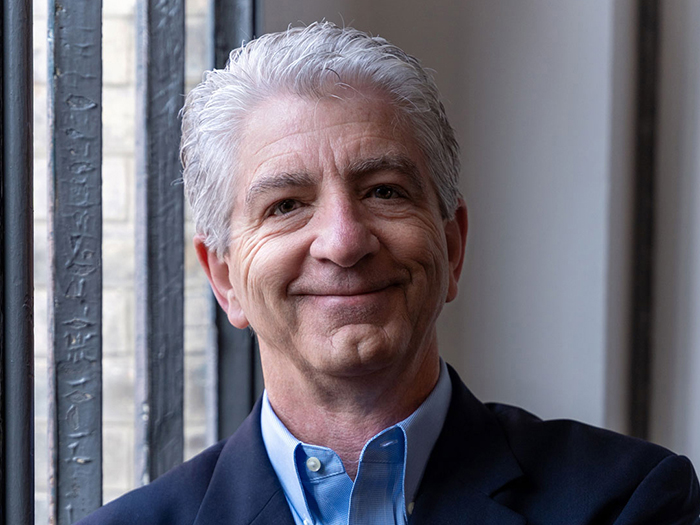
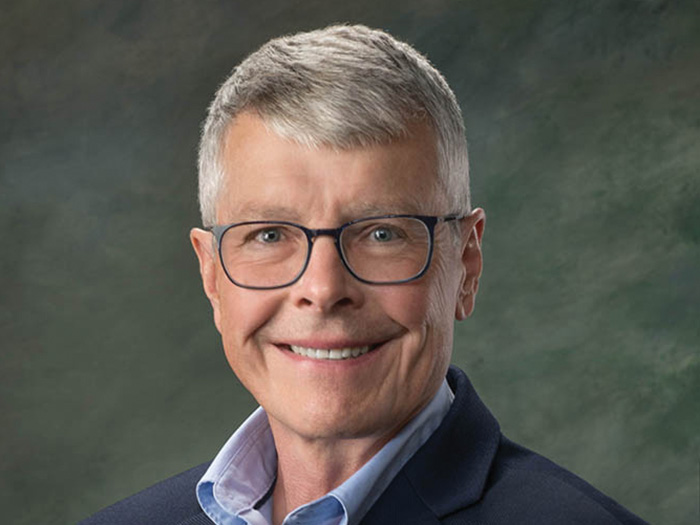
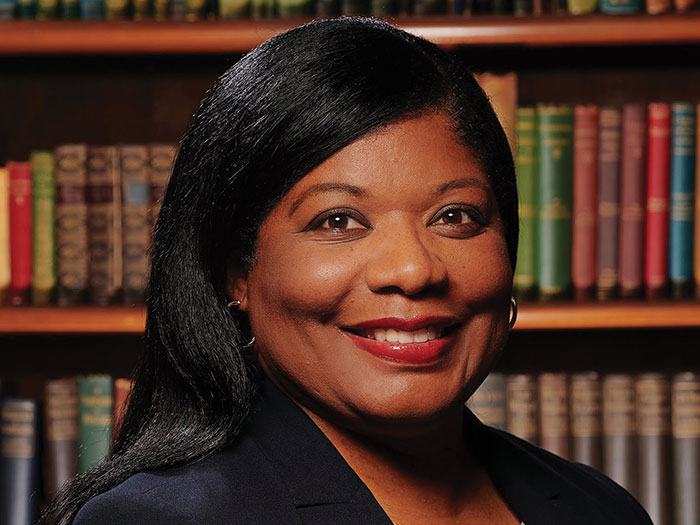
Arthur Seifert
President
U.S. Risk Underwriters/Lighthouse Underwriters
Dallas

Grabbing the hottest trend in healthcare--medical tourism--and taking out the "what-if."

The typical underwriter, if there is such a person, tends to be conservative, said Lorna Greenwood, Program Manager at US Risk Underwriters, headquartered in Dallas. "The stereotype is someone who sticks to what's been done in the past," she said.

Her boss, Arthur Seifert, is anything but stereotypical.

"He's very creative," she said. "He looks at trends. That's extremely rare in this business."


Looking at trends and developing products where insurance could play a part is a big portion of Seifert's job. He created Lighthouse Underwriters, an operating division of U.S. Risk, for just that purpose. It and he have developed several "firsts" over the years--the first package policy for assisted living and the first package policy for the staffing industry.

Now Seifert has developed and launched MedTour, a suite of products for one of the hottest trends in healthcare--medical tourism, the phenomenon of seeking medical procedures abroad. Reports containing medical tourism statistics vary. Some put the number of American patients seeking healthcare abroad as high as 750,000 in 2007 and an estimated 1.8 million in 2008. Others put it at less but still significant. The market currently is valued at $20 billion annually and predicted to generate $100 billion in revenue by 2012.

The primary destinations for U.S. patients are India, Thailand, Mexico, Costa Rica and Singapore. Savings vary worldwide and by procedure, but in general, patients can expect rates 25 percent to 75 percent less abroad compared with the United States.

"I've been tracking medical tourism for two years," Seifert said, "and the thing that occurred to me was, if we could produce insurance that would cover medical complications ... something that took the 'what if' out of medical tourism, it would help medical tourism grow."

After all, he said, a major hip procedure could cost some $40,000 in the United States, compared to $7,000 in India.

"But the problem inherent in people traveling overseas for medical treatment is--what happens if I return to the States and a medical complication develops? All the savings realized by less expensive overseas medical treatment could be lost.

"So we developed MedTour, a comprehensive medical complications and travel policy."

"The industry itself is in the early part of its evolution," Seifert said, "but it's here to stay. There's no way that the U.S. medical system can ever compete with India or China when it comes to costs."

The MedTour product itself covers medical complications that might develop.

Also available is professional liability for facilitators. The most innovative component of the product is MedTour Professional Liability for Employers, which is designed specifically for employers who want to give their employees the option of getting medical services abroad.

--By Julie Liedman


RISK logo
 

Back to top

© Copyright 2010 LRP Publications. All rights reserved.