|
|
|
Insurance
|
|
|
|
|
|
|
|
|
2009 Risk InnovatorTM Winners: Insurance
|
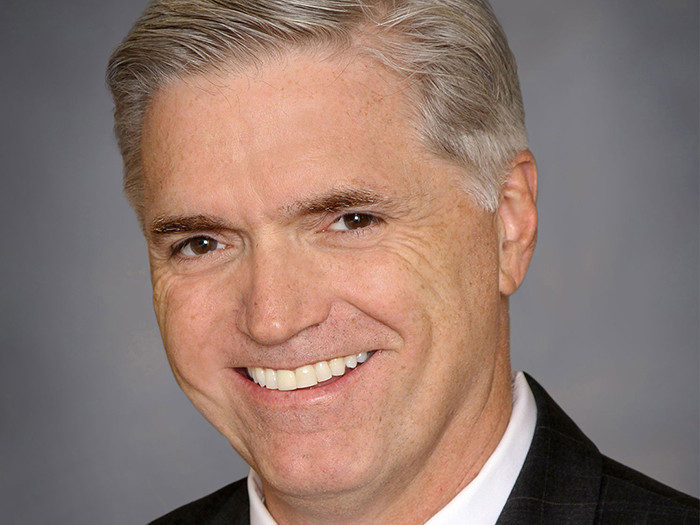
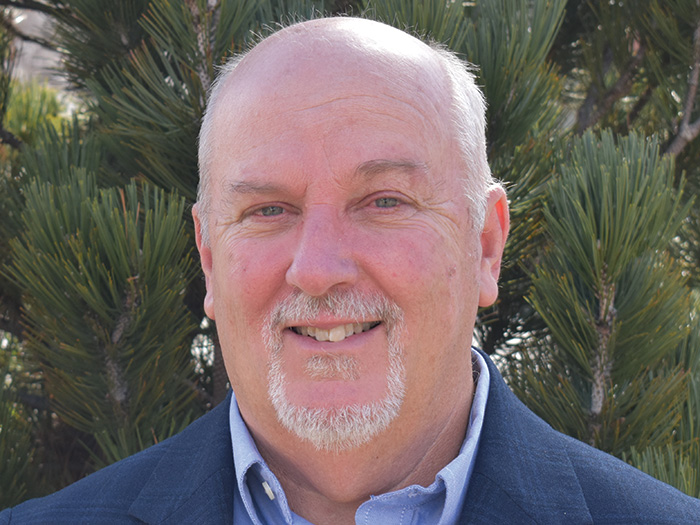
Kenneth Gregg
Chairman & CEO
CITON Group Inc.
Indianapolis
What's the catch? Coverage kicks in only if the damage exceeds the deductible dollar amount.

For many homeowners and small businesses in Florida, the most difficult problem with property insurance isn't just the high premiums. Instead, it is the impact of the out-of-pocket cost of the deductible, if they were a victim and needed to file a claim on their property.
"Over past five years, there have been a combined 7.6 million catastrophic hurricane claims on residential and commercial properties--with losses exceeding $86 million on residential claims alone," said Kenneth Gregg, chairman and CEO of the CITON Group based in Indianapolis.
Especially after catastrophic hurricanes, major property insurers increased retentions or deductibles on property policies in order to shift the risk away from the insurer and on to the property owner because the hurricane losses were so huge. In a few cases, it was either the higher deductible or no coverage at all.
"This particular policy fills a gap for the insured by covering 100 percent of the deductible if the damage exceeds the deductible dollar amount," he said. The policy covers wind damage, not flood losses.
Homeowners and commercial property owners often don't understand how a property policy works in relation to the deductible specified in the coverage. For example, many homeowners are under the impression that the deductible is a based on the cost of repairing the damaged home. Most deductibles in Florida, Gregg explained range from 2 percent to 10 percent of the value of their property, not 2 percent to 10 percent of the damage."
On a home valued at $335,100 in Palm Beach County, with a 2 percent deductible, the homeowner would need to pay $6,702 before repairs could begin. With CITON's "Zero Select" policy, the premium would amount to an annual payment of $628, or about $52 per month.
That would eliminate the payment of any deductible at the time of filing a claim if the loss reaches a level where primary insurance kicks in. The newly formed company has written more than $30 million in coverage since the product was introduced after the hurricane season last year.

The underlying insurer on the policy is Hallmark Specialty Insurance, an insurer rated A-1 by A.M. Best Co., and there is reinsurance on a 1-to-100 year catastrophic event.
The key underwriting factors are the total insured value of the property; the property's location; whether the building is residential or commercial; the construction materials used; the size of the deductible on the primary property policy; the age of the property, and the number of floors.
Hallmark is no longer writing the coverage because it had reached capacity, and another carrier with much larger capacity will write the coverage, said Gregg. The new capacity will allow CITON to offer coverage from Texas through New England.
The policy currently covers all of Florida except for Monroe County, which includes the Florida Keys. A policy can also be written in conjunction with Florida's Citizens Property Insurance Corp., the nonprofit created by Florida in 2002 to provide affordable coverage.
Gregg got the idea for the new coverage after a friend in Melbourne, Fla., suffered through four hurricanes in 2004. Because of the increase in value of his friend's home over the 20 years that transpired between when the home was purchased and when it was damaged, the deductible on the policy was $50,000 before any repairs could even begin--on a home that had only cost $30,000.
|
|
|
EVEN MORE IMPORTANT TODAY
Homeowners in hurricane zones, especially in the current recession, "are challenged with enormous financial burdens and don't have that kind of money around" to pay a deductible, Gregg said. For a small business, one huge loss could jeopardize the survival of the entire organization.
Zero Select does have one important shortcoming: It will only pay benefits if the damage exceeds the deductible on the primary policy. If the deductible is $10,000, but the damage if $5,000, then the policy would not pay the claim. The policy therefore works best for the policyholder as catastrophic coverage, where the loss is huge and a portion of the claim must be paid out of the primary coverage. Coverage, however, is not available for mobile homes.

Gregg estimates that commercial property policies now account for more than 60 percent of the total exposure with the balance being residential. In contrast, residential policies outnumber individual commercial policies, but exposure per policy is much lower. The policy for a commercial policyholder also covers business interruption, if that portion of the primary coverage has a deductible.
Implementation of the deductible program is now under way, available through independent agents.
--By Jack Roberts
|
|
|
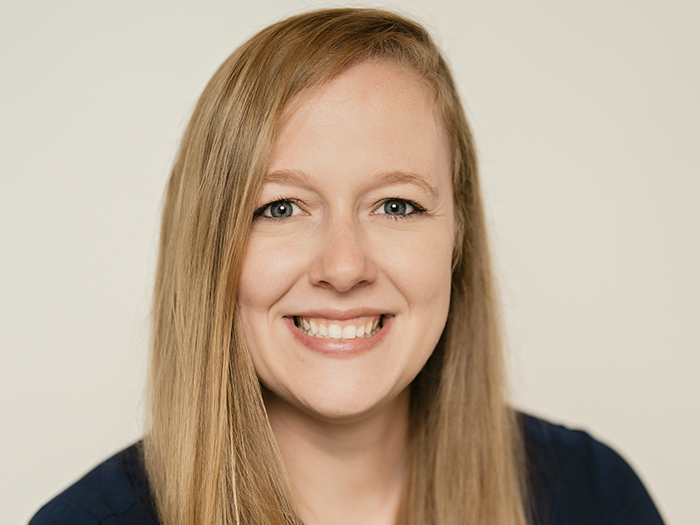
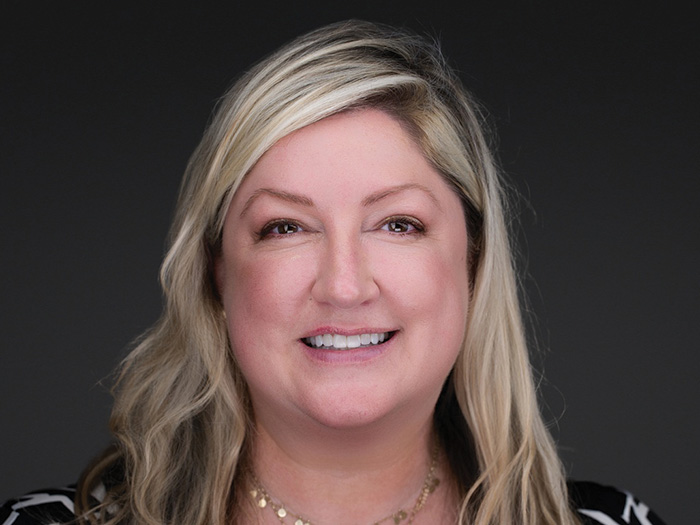
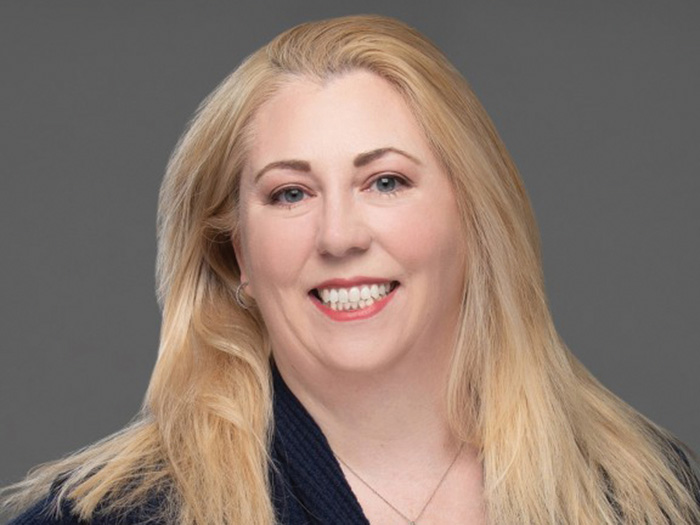
Maureen Burm
Chief Operations Officer
Aon Brokerage Group
Chicago
|
|
|
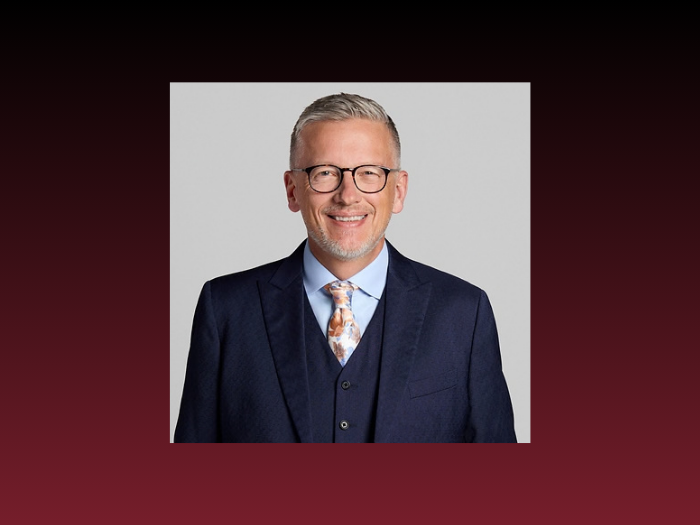
Lambros Lambrou
Executive Vice President
Aon Risk Services
Chicago
|
|
|
Aon's GRIP Team
Tracking carrier quotations for different lines in separate markets gives Aon a wealth of information and power in its grasp.
In the past, brokers really just speculated on the direction of the insurance markets. Markets moved up or down, turned soft or hard, went tight or loose. Brokers could make an educated guess about the market's direction.
Going forward, however, most clients and brokers, and even carriers, really don't know where the market is headed, except by trying to draw conclusions based on what has happened in the past, typically during last year's renewal.
But today, if you asked your Aon broker that same question, you would get a very different answer because last November, Aon began to roll out its "Global Risk Insight Platform" known internally as "GRIP."
This system gives Aon brokers and clients a grasp, in real time, of what is going on in the insurance buying markets in the months to come. The platform is designed to anticipate pricing and carrier behavior. If the market hardens, the analysis may show prices beginning to go up in a particular location, and then show how that hardening is spreading to other locations or to other lines of business.
The roots of the system date back to contingent commission controversy when the big brokers agreed to disclose all the commissions with any particular carrier to the client. Today, when Aon asks its carriers to quote on specific business for a particular client, it creates a disclosure reporting form for its clients.
Using the data in those disclosure reports as a base ? coverage, limits, retentions, pricing, commissions and more--Aon created an ongoing, real-time reporting system that could be used to bind policies in a way that gives clients the best placement options, regardless of geography. Every effort was made to keep the graphical user interface simple, and new data is entered into the database every day.
The idea had its beginnings in February of 2008, in the wake of a decision by Aon to reduce the number of worldwide sales and marketing tracking systems from 27 to one single program ? Salesforce.com. The development of the GRIP system itself was accomplished through Aon's Centre of Innovation and Analytics based in Dublin.
A team of executives from Aon's information technology, risk and consulting divisions, was established to create the procedures needed to implement such a big change in the analytics of placement operations. Key to the project's success would be acceptance from clients and Aon's army of brokers around the world, explained Maureen Burm, chief operations officer, Aon Brokerage Group.
The executive team included Ted Devine, president, Aon Risk Services; Michael R. Moran, president, Aon Carrier Consulting; Peggy Stewart, executive vice president/COO, Aon Risk Services; John Elliot, chief information officer, Business Unit, Information Technology; Burm; Brian Parkes, chief of information management and global risk insights, Aon Commercial Services & Operations Ireland; Dennis McClaughlin, CEO, Aon Center for Innovation and Analytics, Dublin; and Lambros Lambrou, executive vice president, Aon Risk Services and head of Aon Analytics.
Data on each insurance policy quotation for every carrier for each risk being placed is entered into a newly created database from the commission compliance reports and other sources, according to Aon executives.
The quotations are called trades and represent specific bids that carriers have made to get the account. When a policy binds, the information is updated. Thus, usually months before a policy binds, GRIP can see the shape of the markets to come based on the quotation data.
|
|
|
THE CHALLENGE OF CONSISTENCY
Aon has approximately $54 billion of global premium flow, and sees a multiple of that value in terms of the information in the quotations. That volume of information generates a relatively accurate measure of where the market is at, at particular times, across a variety of product lines. Because GRIP has all the pricing data, it can show, for example, whether it might be cheaper to place a property catastrophe policy in London, in New York or in Hong Kong.
GRIP is regularly updated to include additional data that will help risk managers judge how their risks are viewed by the market. For example, Aon Analytics' Lambrou said GRIP plans to add loss data fields to the system in upcoming versions.
One of the most challenging obstacles to overcome was to standardize international policies by product line for a consistent analysis across geographies. In the past, for example, it was hard to compare a property policy generated in Spain from one issued in the United States, from one emanating from Japan. GRIP puts an end to that.
Aon began testing the system with clients last winter and spring after extensive training sessions with Aon employees throughout the organization. The presentation itself, on a series of screens, is colorful, dramatic and easy to use.
For carriers, the system contains potentially valuable information about a carrier's own pipeline and pricing strategies. For example, clients can quickly see whether other carriers are cutting prices on renewals or new lines of business. No one knows faster than Aon when a soft market will turn or whether a particular carrier is aggressively trying to gain market share.
For clients, Aon can use GRIP to analyze what it calls a quote/submit ratio by industry, segment, product, city and carrier. It can also look at retentions and limits, and begin to discern the different risk appetites of carriers for a particular product. This is all based on the carrier's trading behavior as measured by its quotes and binding data.
In this era squeezed margins, Aon itself has access to invaluable information on commissions, even before binding. If the commission rate on a particular risk is well below the average for that product line or for that carrier, then the placing broker and Aon management will know. If the commission is above average, then management will also know.
Eventually, it should help Aon management better price its own services, especially important in light of a market of changing commission strategies.
--By Jack Roberts
|
|
|
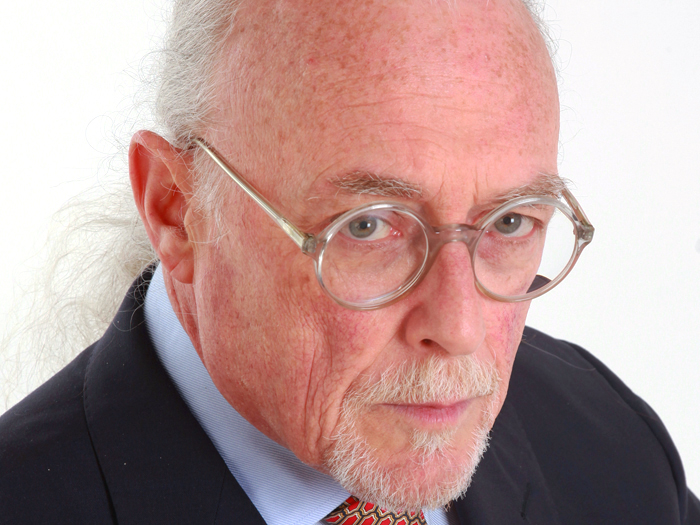
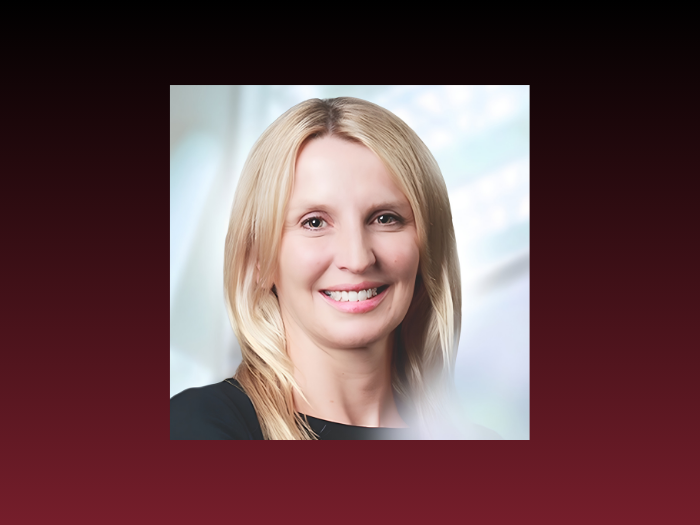
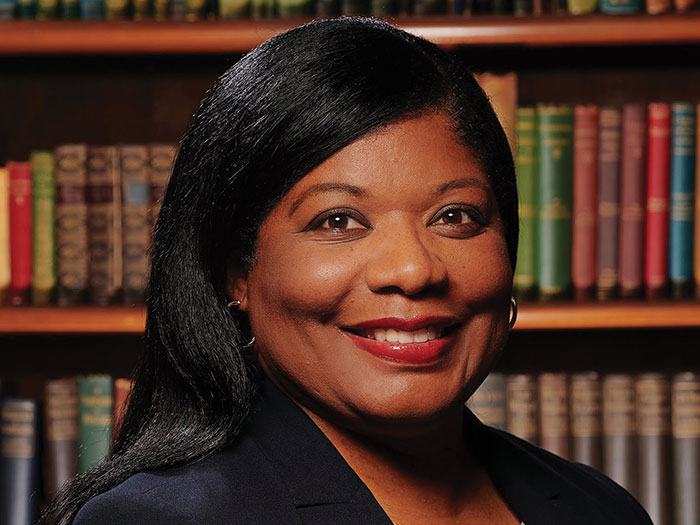
Mitchell P. Worbetz
Claims Manager
CNA Insurance Cos.
Cranbury, N.J.
Structured settlements take the place of lifetime benefits, as CNA's claims team lops tens of millions of dollars off long-tail catastrophic injury claims.
CNA claims manager Mitchell P. Worbetz solved a challenging and very expensive problem with an innovation that came from the heart: the renewed focus on the person and the family with a catastrophic claim--in other words the client.
When CNA sold its personal lines business in 2004, the company had to assume a book of catastrophic claims stemming from those policies. Those were not easy claims, and they amount to tens of millions of dollars.
The claims, coming from car accidents in Pennsylvania, New Jersey and Michigan, involved traumatic brain injuries, quadriplegic and paraplegic injuries, and other near-fatal medical catastrophes. Laws in these jurisdictions, and the specific no-fault provisions in play, meant almost all of the claims involved unlimited lifetime medical benefits.
The total exposure was estimated to be about $50 million with the liability, in some cases, extending as long as 30 years. More recently, complicating factors have entered into the equation: more enforcement and new regulations under the Medicare Set-Aside laws in the case of a settlement.
It can often be difficult for the victim's family to agree to a settlement, especially if there is little or no contact between the victims and the insurance company. If lawyers aren't shy about making cases more adversarial than they often need to be, then the claim takes even longer to resolve.
Worbetz's first action was to build a team that could "develop a rapport and a relationship with all the insureds and their families."
The more technical parts of the process were relatively easy to handle. Medicare Set-Aside costs and provisions could be identified and handled relatively easily, and special trusts could be set up to pay benefits. A "structured settlement," typically an annuity, could fund the costs upfront.
At each step, Worbetz and his team had to make sure they had the family buy-in, or the process could quickly come to a halt. As part of the settlement process, total future medical costs were calculated and endorsed by an actuary.
The issue was to try to resolve the cases to the satisfaction of the claimants, and, at the same time, incur a long-term savings to CNA. With the potential savings so large, CNA and Worbetz had added incentive to find a solution.
"One of the key solutions was the power of a structured settlement in these cases," said Worbetz, based in Cranbury, N.J. "Another key component of eliminating this risk was to meet these injured (parties) on a face-to-face basis to understand their personal and medical needs. What we accomplished was to get a clear picture of the risk and exposure of multimillions of dollars in the long-term risk."
Every step of the way, the injured parties had to understand the issues and the options available to them.
The challenge, of course, came when CNA had to work with the insured and the insured's lawyers, to give up rights to unlimited benefits in return for the structured settlement.
The result has been that nearly every case has been settled, or is nearing settlement. Victims received a funded guarantee of future medical care, and CNA will save more than $100 million over the long term.
"We accomplished what no one else in 20 years to 30 years could do, settling high-risk catastrophic claims and providing a benefit to the insureds, their families and our organization," Worbetz said.
--By Jack Roberts
|
|
|
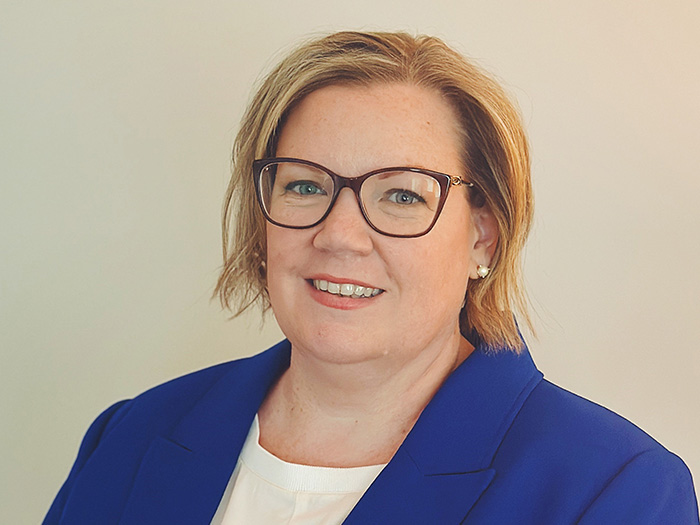
Joe Boures
President
Specialty Risk Services
Hartford, Conn.
A TPA consolidates fees into one per-claim fee, even at the risk of a slightly higher price to manage a claim.
Often innovation and difficulty overlap. Joseph Boures is the CEO of Specialty Risk Services, a major claims management company owned by The Hartford. Boures, an accountant by training with roots in Pennsylvania, came to SRS and confronted a business under increasing pressure to cut price to sell its services.
Clients were under pressure to keep workers' compensation claim costs down. Claims management firms, which typically operate in a low margin business, are under pressure to keep prices down, especially when bidding for new business.
One way to do that was to bid low, but not disclose arrangements between vendors and the third-party administrator (TPA) arrangements, which may not be apparent to the client. These costs, for example, can be attributed to managed care or pharmacy benefit services, one of many opportunities that a TPA may have to contract with specialized service providers.
SRS has a policy of refusing to enter into any relationship with a vendor where the fee is shared between the TPA and a vendor, but not disclosed to the client, said Boures.
"In effect the client thinks they are getting the 'retail' price when it's really kind of a wholesale price," he said. "I believed that clients would feel much more comfortable doing business with us, especially if other TPAs failed to disclose these issues."
Sharon Van Sant, director of claims management for AmerisourceBergen Corp., said that "the innovation that Joe has lead within SRS was to create a true fiduciary environment."
The issue, Van Sant said, emerged in a recent request for proposal process by AmerisourceBergen to hire a TPA. Fee sharing arrangements, she explained, makes it nearly impossible to compare bids because the arrangements among vendors and TPAs are all structured differently.
The innovation, in a sense, that Boures adopted, was to forgo these relationships entirely. "Because SRS doesn't participate in these arrangements, their per-claim fees were a bit higher than most of their competitors."
The result of these fee-sharing arrangements, besides giving a TPA the opportunity to lower its per-claim prices, allowed some TPAs to "collect some 'hidden' costs that clients were not counting as part of their programs."
The effect of these fees could result in a "conflict of sending more volume to vendors, whether the claim needs these services or not." It meant, she said, that "the TPA and the vendor benefit at the cost of the client's results."
Because of this policy to avoid any conflict of interest, or appearance of conflict of interest, SRS was often at a competitive disadvantage during the RFP process. Its claim rates often appeared to be higher than that of the competition.
AmerisourceBergen quickly saw the problem and SRS was able to structure a new pricing format that clearly, and transparently, consolidated all fees, from SRS itself and from its vendors, into one per-claim fee. This process aligned the interests of the TPA and the client and removed the incentive to deliver volume-based services that were unnecessary.
"We were determined to create an environment where the focus of our collective efforts was to improve the company's program," Van Sant said. The program at AmerisourceBergen now reflects the total cost of risk in its metrics.
|
|
|
TRANSPARENCY WORKS
"SRS proved to our company that transparent pricing really works," Van Sant added. "I know it isn't easy selling a perceived higher price, however it has become a bit easier after (former N.Y. Attorney General Eliot) Spitzer exposed the contingent commission situation between insurance companies and brokers. This conflict of interest is very similar to what is going on in the TPA space."
Boures said that the issue is becoming increasingly important because "price is becoming more driven by the economic downturn." For us, he said, "the issue is getting employees back to work and looking a total loss costs rather than just price."
There are differences among TPAs and clients must have a true measure of how well a program is going, not just price, Boures added.
"For us, the results were clear and measurable ¿ and our program has improved year-over-year," said Van Sant. "SRS has proven that transparent pricing works."
--By Jack Roberts
Editor's note: In the spirit of transparency, SRS is the sponsor of the Risk & Insurance Theodore Roosevelt Workers' Compensation and Disability Management Award program.
|
|
|
Dustin Ng
Actuarial Analyst
Integro Insurance Brokers
New York
Integro creates custom cost allocation models using behavioral factors such as slip and fall claims and indemnity actions.
Financial executives might want to believe that most cost-allocation models should be straightforward, and in many ways, they are. Many models are basically off-the-shelf programs. But, speak with any manager and you will typically hear complaints, especially if they are candid, about the unfairness of a model imposed by the head office.
"The idea to custom-build allocation models came from the recognition that risk managers of large corporations are often met with substantial resistance regarding the validity of appropriated financial responsibility," said Dustin Ng, a broker and actuary with Integro Insurance Brokers.
That most often happens around the issue of risk transfer costs, said Ng. Who will pay for what part of an insurance premium? Who will pay for the loss? Most allocation models were rather generic and often failed to take into account factors like having a large exposure, but with an excellent loss control record.
By contrast, a much smaller risk and smaller exposure could enable a manager to be careless, provide less attention to loss control policies, often because the amounts of loss would fly under the corporate radar screen. "Existing allocations avoided getting into unconventional methods because they are difficult to implement and justify," Ng said. "Just because something is difficult doesn't mean it can't be done."
Margot Roth, risk manager at Whole Foods, started using a model developed by Ng last year with excellent results. "It's been absolutely great and we adjust the model every quarter," she said.
Building on existing allocation practices, custom allocation models have been developed that weave influences sometimes overlooked in a standard off-the-shelf analysis, according to Ng.
For example, some of these influences could be "loss, behavioral components, peril exposures and others."
Roth explained that the model that Whole Foods uses incorporates behavioral factors such as slip-and-fall claims, and indemnity actions into the analysis.
To develop these kinds of models, the broker and analyst must be unusually familiar with the client's operations. If we do our job right, Ng said, "the resulting allocations yield justifiable blueprints for financial planning while stopping the 'blame game' and turning the focus on accountability."
This somewhat unanticipated benefit of the new allocation models has helped to provoke individual risk managers to become more innovative themselves. In addition to the cost allocation model, Ng calculated the annual loss pick ratios this year, said Roth, and they came in at $100,000 less than that proposed by the carrier, Roth said.
The model works with the risk management focus on data and analysis at Whole Foods. "We're always looking at metrics and this new model helps us even more," Roth said, who marveled at the speed with which the model can be implemented.
"Maybe he's so fast because he's a speed skater. I wouldn't be surprised to see him in the Olympics one day."
--By Jack Roberts
|
|
|
|
|
«Return to the 2009 Risk Innovator Page
|
|
|