Search      Advanced Search | Browse By Topic
Magazine Content
Home
Features
Columnists
Industry Risk Reports
In-Depth Series
Special Reports
Point/Counterpoint
R&I One® Content
News & Analysis
Editor's Choice Stories
Resources and Tools
Power Broker® Directory
Risk InnovatorTM
Emerging Risks

Top Employee Benefits Consultant

Executives To Watch
Insights
Industry Events
WorkersComp Forum
Award Nominations
Webinars
RSS
R&I Information
Subscription Center
Advertiser Information
About Us
Contact Us
 

Newsletter Sign-up

Click on the name of the free newsletter below to preview:

R&I One®
WORKERSCOMP Forum TM Update
HTML Text
E-Mail Address:


Click here to unsubscribe
Privacy Policy
Preferences


How to Winnow the Pool

How to Winnow the Pool | Risk & Insurance | Out of thousands of worthy doctors, how do you pick the few to include in a medical provider network, if you're going to pay attention to quality?

By Peter Rousmaniere

Print Email Add to Facebook Add to Twitter Add to LinkedIn Write to the Editor Reprints

In the past year, the insurance carrier Zenith's California operation trimmed the phone book-sized network of Coventry's 30,000 physicians down to 5,000, and added 300 physicians not on Coventry's list.

Zenith, due to its large size, can afford an intense winnowing campaign. Most employers cannot, but deserve to rely on good doctors. If quality "medical provider network" means something more than a slogan, the picking process has got to be fair in process and reliable in results.

I sought advice from Kevin Byrne, a physician who runs Corpmed and a hand surgeon with 25 years' practice, and Bernyce Peplowski, Zenith's medical director. The following is my distillation of their advice on how to pick surgeons who mainly operate on hands--139 of Zenith's 5,000 doctors.

A SEVEN-STEP PROCESS

The first step is to focus on one exemplary condition. Hand surgeons see a lot of workers with carpal tunnel syndrome. Case by case, work-causality as well as effectiveness of surgery is very much in question.

The second step is to define what the doctor is treating. A worker's carpal tunnel is located in three areas: her wrist, her mind and her workstation. A hand surgeon who looks only at the wrist is treating a fraction of the condition, and many do just that.

The third step is to let the doctors first pick you. Treatment is likely already skewed toward a few providers. This applies to surgeons and occupational medicine clinics. If you decide to keep the doctor, fine. If you decide to turf him out, you'll need to build a defensible case for doing so even if legally you do not have to.

Step four is to make sure you are correctly tracking the doctors in your medical payment records. Some doctors use more than one identification code.

Step five is to assess the doctor's performance on return-to-work and total claims costs. This is easier said than done. Zenith assesses a provider's performance only on those claims for which it is responsible for at least 10 percent of encounters. Report cards should never be conclusive.

Step six is to ask five questions:

--What nonsurgical treatments do you use?

--What are the key ergonomic changes that should be made to workstations?

--Do you have an industrial liaison in your office to sort out back to work problems and employee/employer conflicts?

--What percentage of your patients whom you treat for carpal tunnel syndrome undergo surgery?

--When is it right to depart from formal treatment guidelines?

And lastly, remove a disruptive element. Many CTR candidates walk into hand surgeon offices with erroneous diagnostic reports. Make sure your network includes physiatrists who can expertly perform nerve tests.

No doctor you want should work in isolation from overlapping medical disciplines, from the worksite, and from the patient's nonoccupational commitments. A doctor who talks as if he prefers this isolation is a poor network candidate, even if he has memorized the treatment guidelines, and especially if the only apparent reason for being on a network is to agree to accepting discounts.

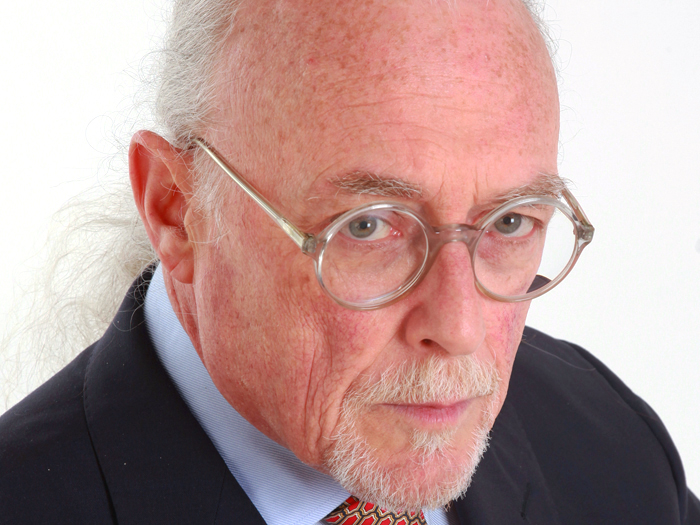
PETER ROUSMANIERE is an expert on the workers' compensation industry.

March 3, 2009

Copyright 2009© LRP Publications


RISK logo
 

Back to top

Entire contents copyright © 2013 Risk and Insurance® All rights reserved. May not be reproduced in any form without written permission.