Editor's Note: The Sept. 11 tragedy has underscored that the 20th century worker safety net is not designed for the catastrophic risks of the 21st century. Catastrophic risk no longer signifies immediate injuries or rapid death suffered within a small geographic perimeter, but rather a disease emerging over large organizational terrain.
Writers Peter Rousmaniere and Steve Yahn explore these issues across four in-depth series installments:
World Trade Center: Rescue, Recovery and Cleanup, Part 1
Sept. 1, 2007
The first installment in the in-depth series delved into how safety procedures evaporated during the cleanup of the World Trade Center and how it is now affecting thousands of workers and public employees.
World Trade Center: Rescue, Recovery and Cleanup, Part 2
Oct. 1, 2007
In the second installment of this in-depth series, the authors explored how the state workers' comp system could be inherently stacked against the dozens of Sept. 11 rescue, recovery and cleanup workers who need its protection. And how the courts are an avenue that could be open to these workers' recovery.
World Trade Center: Rescue, Recovery and Cleanup, Part 3
Oct. 15, 2007
Paying for medical benefits and compensating workers insured in the course of rescue, recovery and cleanup is going to cost in the billions of dollars. As readers discover in the third installment, the federal government has promised to pay for some of the cost, but critics say the states will be left to shoulder the burden.
World Trade Center: Rescue, Recovery and Cleanup, Part 4
Nov. 1, 2007
The final installment in the series will delve into how to deal with disaster claims on the scale of Sept. 11 in the future, and how governments should respond to pre-empt costly litigation. This story will also feature a Q&A with John F. Burton Jr., professor emeritus at the School of Management and Labor Relations at Rutgers University and an advocate for stricter laws protecting workers.
The Sept. 11, 2001, attack on the twin towers of the World Trade Center blasted thousands of tons of asbestos into the air, exposing rescue, recovery and cleanup workers at "the Pile" and in Lower Manhattan to glass fibers, pulverized cement, diesel exhaust and heat so intense that it often melted rescue workers' rubberized boots.
This hailstorm of environmental debris set off not only a dramatic rescue and recovery operation, it also set in motion a trouble-plagued and far-reaching insurance debacle.
It ripped through the previous system of work safety and workers' compensation with its 90-year-old promise of timely and satisfactory worker protections, ensured by clear lines of accountability and sufficient funding.
The Sept. 11 tragedy has underscored that the 20th century worker safety net is not designed for the catastrophic risks of the 21st century. Catastrophic risk no longer signifies immediate injuries or rapid death suffered within a small geographic perimeter, but rather a disease emerging over large organizational terrain.
In all, about 100,000 workers and volunteers are believed to have worked in Lower Manhattan from the moment the first plane knifed into the north tower through the completion of debris removal. Many of them labored at ground zero, cutting steel or loading trucks while alert for human remains.

Looking back on history, the story of the aftermath of Sept. 11 threads through five time phases:

* Phase One covered the first few hours of the attack until after dust, thick as pea soup, subsided to let rescuers probe their way through the rubble.
* Phase Two lasted the next 36 hours while public officials set up controls at the ground zero site and assigned work.
* Phase Three lasted until the end of September when officials abandoned rescue of possible survivors.
* Phase Four ran through the end of May 2002 while a consortium of contractors and public agencies speedily cleared the site.
* Phase Five, running through the present, is the rebuilding of Lower Manhattan and paying for the human and economic cost of safety and claims failures.
But if rescue, recovery and cleanup operations can be compressed into five phases, the same cannot be said of its bitter legal aftermath.
In 2004, the first class-action suit was lodged against public and private employers, alleging negligence in safety. Insurance cover went through twists and turns. Private contractors on-site first relied on their existing policies.
But within weeks, the contractors and Federal Emergency Management Agency agreed that Liberty Mutual would write a "wrap-up" workers' compensation and liability policy to cover all their work. FEMA, it was agreed, would pay the premium.
Shortly thereafter, it became apparent that the Liberty Mutual policy was not adequate with regard to liability. In 2004, a specially created New York State-domiciled captive, the World Trade Center Captive Insurance Co., was founded and funded by a $1 billion payment from FEMA.
This seminal role played by FEMA and other federal agencies underscores a major conclusion of this series: Some 60 risk management professionals were asked to reflect on the roles of the private and public sectors in the World Trade Center tragedy. While expressing a need for competitive markets for pertinent insurance covers, they agree that in the future Washington should have a leading role in mitigating losses after a catastrophic event.
Though the immediate travails of Sept. 11 are behind us, the disputes surrounding the tragedy will be long lasting, as regular headlines suggest. The aftermath of Sept. 11 has tested our faith and our assumptions about all we had assumed to be true in the world of safety and prevention, and promise of payment.
It is with honor and respect for those who labored to save lives, recover loved ones and rebuild in New York that we present our in-depth series on the World Trade Center disaster.
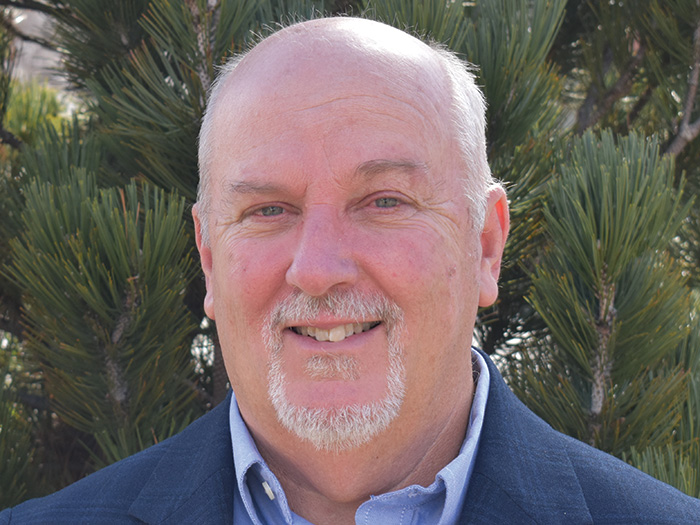
--Peter Rousmaniere
READ MORE: Features | Special Reports | Industry Risk Reports | Columnists | In-Depth Series
September 1, 2007
Copyright 2007© LRP Publications