Search      Advanced Search | Browse By Topic
Magazine Content
Home
Features
Columnists
Industry Risk Reports
In-Depth Series
Special Reports
Point/Counterpoint
R&I One® Content
News & Analysis
Editor's Choice Stories
Resources and Tools
Power Broker® Directory
Risk InnovatorTM
Emerging Risks

Top Employee Benefits Consultant

Executives To Watch
Insights
Industry Events
WorkersComp Forum
Award Nominations
Webinars
RSS
R&I Information
Subscription Center
Advertiser Information
About Us
Contact Us
 

Newsletter Sign-up

Click on the name of the free newsletter below to preview:

R&I One®
WORKERSCOMP Forum TM Update
HTML Text
E-Mail Address:


Click here to unsubscribe
Privacy Policy
Preferences


Navigating Past Medical Billing Errors

Here's a roadmap for claims operations to help identify medical billing issues and reduce their exposure to healthcare cost inflation.

By Bill Zachry

Print Email Add to Facebook Add to Twitter Add to LinkedIn Write to the Editor Reprints

A few years ago, when I was the chair of the California Workers' Compensation Fraud Assessment Commission, we worked with Navigant Consulting to produce a report on medical overpayments and underpayments in the California workers' compensation system.

Its primary finding was that 38 percent of the medical payments in the California workers' compensation system were not accurate because of billing errors or because the treatment failed to be in accordance with current evidence-based guidelines.

The study gave us a roadmap for identifying medical overpayments, which can be utilized by claims operations anywhere to help reduce their exposure to medical inflation.

Using the Navigant study as a model, we at Safeway performed essentially the same exercise. We randomly selected 100 files and reviewed all medical payments and treatment. Not surprisingly, we found that greater than 20 percent of our medical payments were for treatment that was not authorized or not in accordance with evidence-based medicine or ACOEM/California Medical Treatment Utilizations Standards (MTUS).

One of our biggest surprises was the number of bills we paid for in which medical treatment had not been requested by the physician or authorized by us. We realized that many physicians--even many in our medical provider network (MPN)--were performing unnecessary and inappropriate treatment on our employees. (Safeway has its own proprietary MPN that covers all of California. We pay our physicians at fee schedule per contract.)

This was exceptionally disturbing because our utilization-review process is in place to make sure that our employees get the right kind of care to get them well and back to work with few residuals. Treatment outside of the guidelines or not in accordance with evidence-based medicine is not good for our employees. We had assumed that all physicians were requesting authorization and that the physicians in our MPN were following the MTUS.

The second finding was that, because the bill-review system was not directly connected to our utilization-review process, many bills were paid even though we had not given authorization to the treating physician. Our findings were that this practice was particularly endemic to a cadre of physicians in Southern California who treat workers without any authorization and then file liens.

Based on this internal study we did the following:

1. We found a partner who helped us connect our utilization-review system to the bill review process for automated matching of utilization review authorized CPT codes to line levels on the bills. If there is no match, the bill is queued out for analysis by our on-site specialist. (Technically, this is more difficult than it may seam at first because it requires a back and forth of the data and information between the utilization-review process and our bill-review company).

2. We utilize our connectivity partner to share 100 percent of the claims medical file with the utilization-review nurses and physician. In California, more than 20 percent of the medical treatment denials are for lack of accurate or sufficient information for the utilization-review physician to make a decision. At Safeway, our denial for lack of documentation is less than one-half of 1 percent.

3. We developed a system to create automatic denials of treatment (letters conforming to the current denial wording required by the WCAB) when we receive a bill for treatment as first-notice of treatment. (Again, technically, this is more difficult than it appears, but our connectivity partner was exceptional in developing a process to make it happen)

4. We staffed our internal utilization-review program with medical professionals who understand ACOEM and evidence-based medicine. Any and all denials are done by medical physicians who are located in California. However, we found that we actually deny a small percentage of treatment requests. If we do not at first agree with the physician, we call the office and discuss the diagnosis and treatment to determine if our disagreement was based on inaccurate information.

5. We took away any and all authority for claims examiners to authorize medical treatment. All medical treatment decision-making is done by on-site nurses (or outside utilization-review provider) instead of claims examiners. This provides the necessary medical expertise and consistency in utilizing EBM on a case-by-case basis. We did this because we believe that claims examiners are not medical professionals and lack the training and skills to authorize medical treatment. (Would you trust a nonmedical professional to authorize or deny your medical care?)

6. We instituted a program to perform utilization review for all treatment for our employees. We did this because the demonstrated abuses by physicians in our MPN and those outside of the MPN. (I believe that the current practice of many claims operations to preauthorize six or more physical therapy visits is one of the contributing factors to California's current high medical inflation rate.)

7. We developed our utilization-review program to review all medical reports and correspondence from all physicians in an average of less than eight hours between receipt of request and authorization of treatment.

8. We notified all physicians in our MPN that we would not pay for any treatment that was not authorized or agreed to.

With the implementation of this program, our experience has been that quality of care for our employees has improved and our medical costs have been very significantly reduced.

I highly recommend that anyone who has workers' compensation exposure in California to review the Navigant study and determine if its findings can be applied to help reduce their workers' compensation medical spend while improving the care of their injured workers.

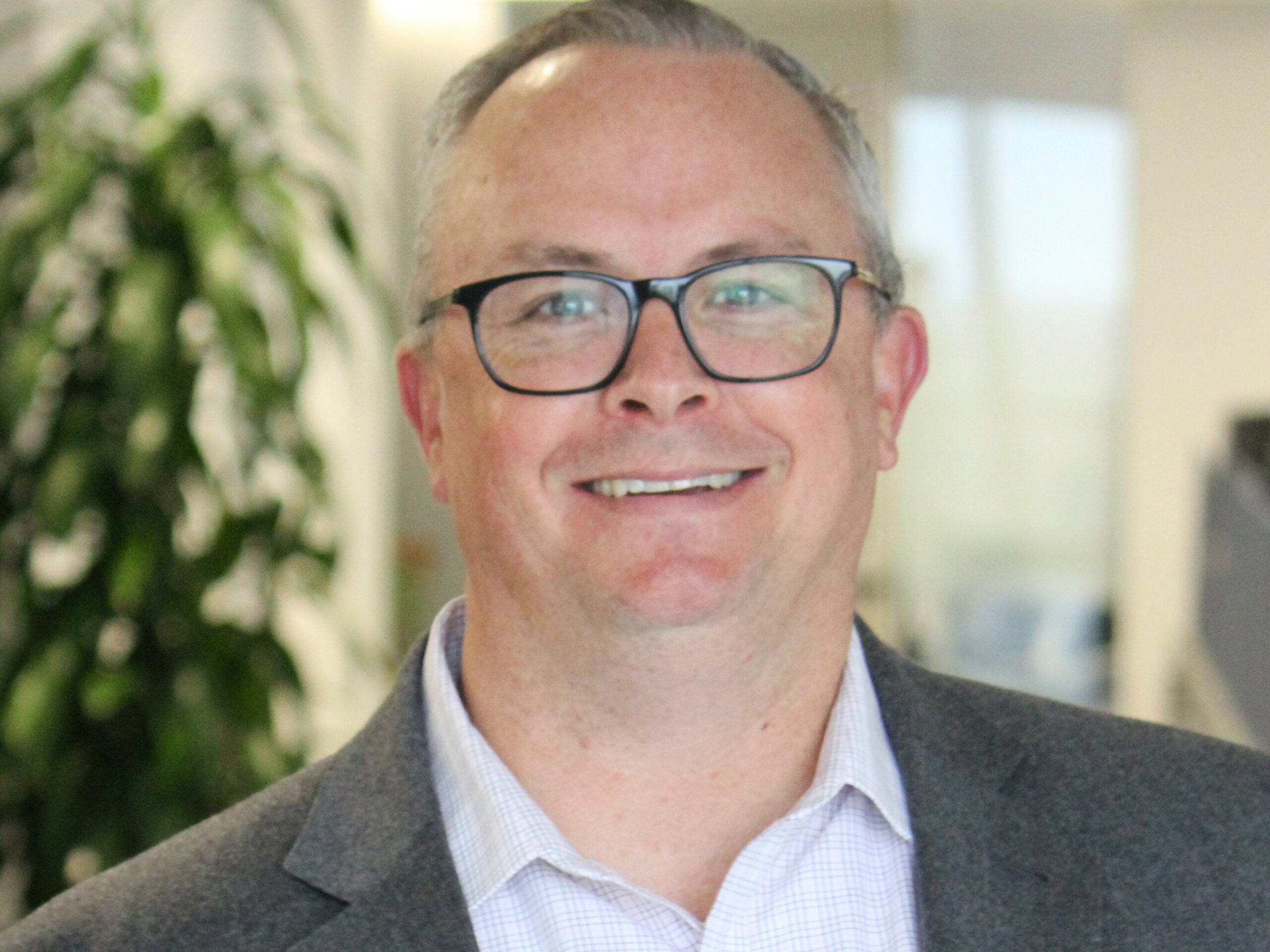
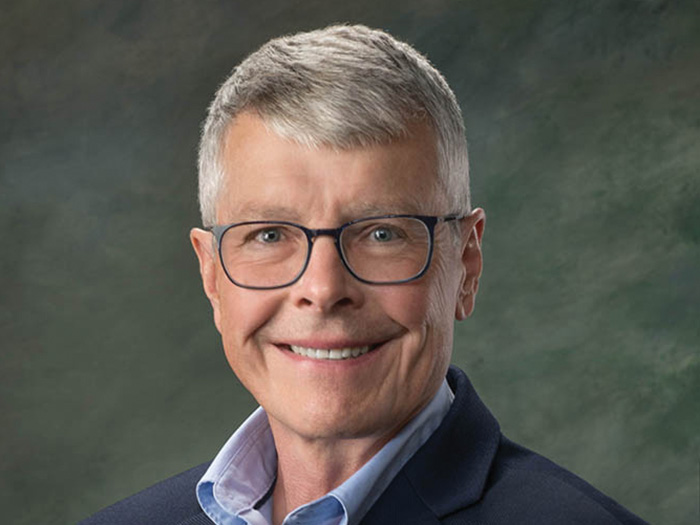
BILL ZACHRY is vice president of risk management at Safeway Inc., a Fortune 50 retail company, co-chair of the California Chamber of Commerce Amicus committee, board member of the California Self Insured Security Fund, and frequent workers' comp advocate in the halls of state and federal capitols.

(Editor's note: Although Bill is a member of the board of directors of the State Compensation Insurance Fund, the views expressed here are his own and should not be attributed to the State Compensation Insurance Fund.)

Read more at the WorkersComp Forum homepage.

September 27, 2010

Copyright 2010© LRP Publications


RISK logo
 

Back to top

Entire contents copyright © 2013 Risk and Insurance® All rights reserved. May not be reproduced in any form without written permission.