Experts cautiously optimistic about latest workplace fatalities report

The latest numbers from the Bureau of Labor Statistics show fatal occupational injuries in 2009 fell from the previous year -- down to 4,340 from 5,314. It's the smallest annual preliminary total since the Census of Fatal Occupational Injuries program was first conducted in 1992.
"Obviously when the numbers go down it's good news," said Peg Seminario, safety and health director for the AFL-CIO. "But I think the numbers have to be looked at in the current economic climate and employment situation."
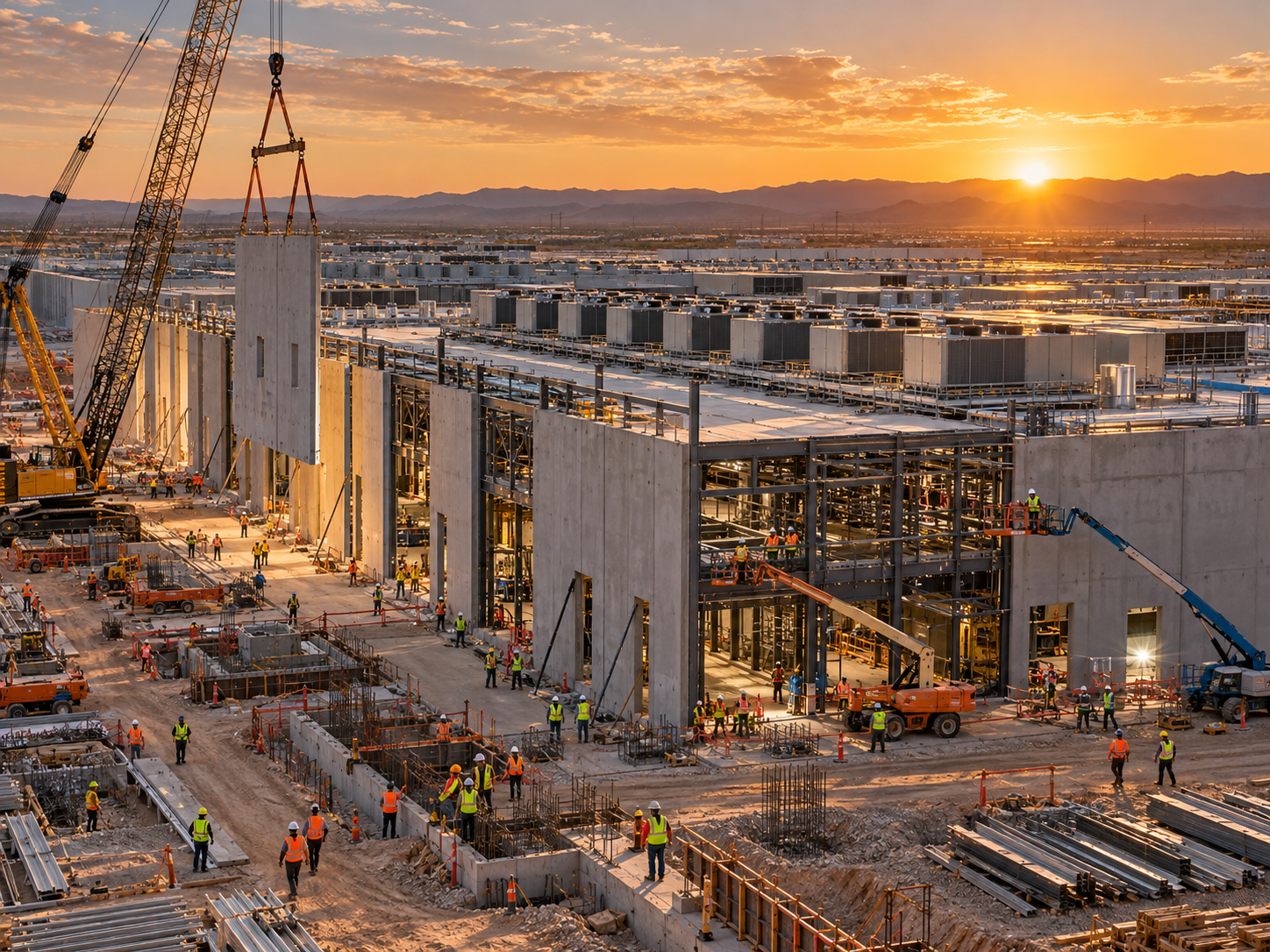
The BLS said economic factors played a major role in the fatal work injury decrease in 2009, as total hours worked fell by 6 percent. Industries that have historically accounted for a significant share of fatal work injuries experienced even larger declines in hours worked. Occupational deaths among construction workers declined 16 percent in 2009.
Despite the overall decrease, there were some notable exceptions. The wholesale trade industry reported a 3 percent increase in the number of fatal workplace injuries. Likewise, the number of fatal injuries in building and grounds cleaning and maintenance occupations rose 6 percent.
Safety training is key.
An increased effort by employers may also account for some of the better numbers. "I think what we've observed over recent years is an enhanced focus on safety," said Bill Pipkin, vice chair of the workers' compensation committee for DRI, an international defense attorneys' organization.
Pipkin says he's especially noticed a safety emphasis among employers in the construction and timber industries. "They'll implement training programs when they hire them and then they'll enforce the safety rules, a fairly significant component," he said.
Despite the economic conditions, Pipkin says employers are placing more emphasis on drug testing. "I don't think companies are cutting corners when it comes to drug testing or safety training programs," he said.
Pipkin advises employers to continue the push on safety training and enforcement. "I think there's better communication on work sites, which probably enhances safety," he said.
Read more at the WorkersComp Forum homepage.
October 7, 2010
Copyright 2010© LRP Publications