Search      Advanced Search | Browse By Topic
Magazine Content
Home
Features
Columnists
Industry Risk Reports
In-Depth Series
Special Reports
Point/Counterpoint
R&I One® Content
News & Analysis
Editor's Choice Stories
Resources and Tools
Power Broker® Directory
Risk InnovatorTM
Emerging Risks

Top Employee Benefits Consultant

Executives To Watch
Insights
Industry Events
WorkersComp Forum
Award Nominations
Webinars
RSS
R&I Information
Subscription Center
Advertiser Information
About Us
Contact Us
 

Newsletter Sign-up

Click on the name of the free newsletter below to preview:

R&I One®
WORKERSCOMP Forum TM Update
HTML Text
E-Mail Address:


Click here to unsubscribe
Privacy Policy
Preferences


Optimism From a Pessimist

There could be bright spots in the effects of federal healthcare reform for the workers' comp industry, says Joe Paduda.

Print Email Add to Facebook Add to Twitter Add to LinkedIn Write to the Editor Reprints

By DAN REYNOLDS, senior editor of Risk & InsuranceŽ

When Integro's Mark Noonan queried a morning panel at the Annual National Workers' Compensation and Disability ConferenceŽ & Expo in Las Vegas on Nov. 10 on the impact of federal health reform on workers' compensation, he got a tepid answer.

Speakers such as Rod Bordelon, the workers' compensation commissioner for the Texas Department of Insurance, indicated that it was too soon too tell.

But had Noonan showed up at Joe Paduda's 11 a.m. session later that day, he would have gotten an earful.

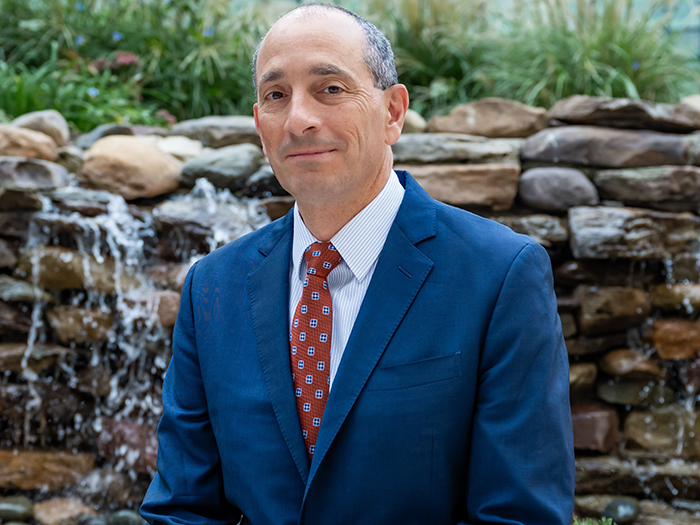
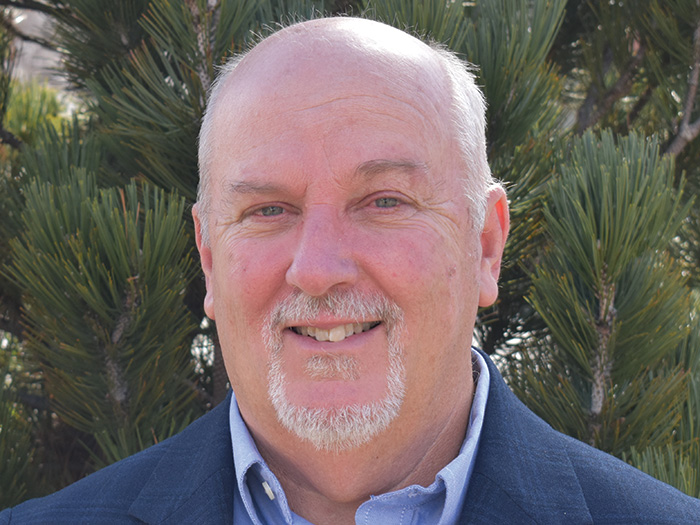
Paduda, principal of Madison, Conn.-based Health Strategy Associates LLC, comes off like a cynic when he talks about the government, but if you looked between the lines of his midmorning presentation, titled "External Medical Issues, What You Don't Know Will Cost You," there are reasons for optimism.

One of the goals of federal healthcare reform is that 30 million more people will be covered. There is a substantial chance that the reform's focus on better primary care could mean the chronically ill will get more comprehensive treatment at the primary-care level.

A healthier population will translate to less cost-shifting from the larger $2.4 trillion healthcare universe to the much smaller $30 billion workers' compensation universe, Paduda said. With more than 60 percent of workers' compensation costs being generated by the chronically ill, Paduda sees some glimmers of hope.

Add to that the fact that, statistically speaking, people with health insurance tend to be healthier than people without health insurance and you have even more reason to be optimistic.

But there is plenty still to worry about. Those specialists that feel slighted by health reform's focus on primary care will have to make their money somewhere and will start shifting costs into workers' comp, Paduda said.

November 10, 2010

Copyright 2010© LRP Publications


RISK logo
 

Back to top

Entire contents copyright © 2013 Risk and Insurance® All rights reserved. May not be reproduced in any form without written permission.