Search      Advanced Search | Browse By Topic
Magazine Content
Home
Features
Columnists
Industry Risk Reports
In-Depth Series
Special Reports
Point/Counterpoint
R&I One® Content
News & Analysis
Editor's Choice Stories
Resources and Tools
Power Broker® Directory
Risk InnovatorTM
Emerging Risks
Top Employee Benefits Consultant
Executives To Watch
Insights
Industry Events
WorkersComp Forum
Award Nominations
Webinars
RSS
R&I Information
Subscription Center
Advertiser Information
About Us
Contact Us
 

Newsletter Sign-up

Click on the name of the free newsletter below to preview:

R&I One®
WORKERSCOMP Forum TM Update
HTML Text
E-Mail Address:


Click here to unsubscribe
Privacy Policy
Preferences


Risk Manager Connects Data to Behavior

A young anthropologist loops together safety variables, overhauls an antiquated claims process and forever alters his employer's claims strategy.

Print Email Add to Facebook Add to Twitter Add to LinkedIn Write to the Editor Reprints

By CYRIL TUOHY, managing editor of Risk & InsuranceŽ

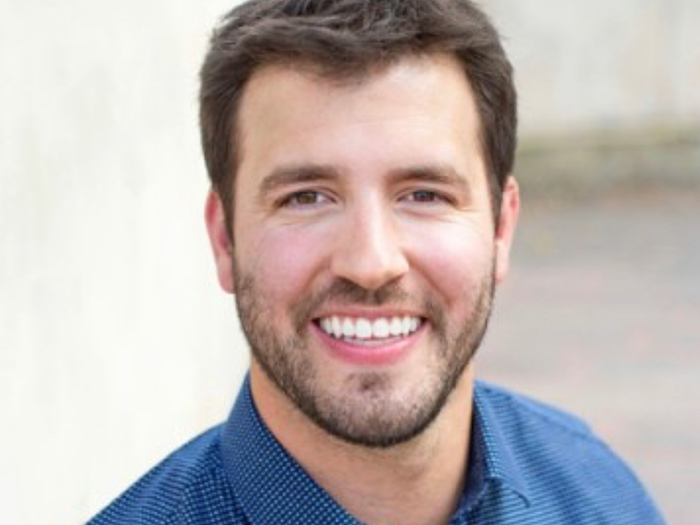
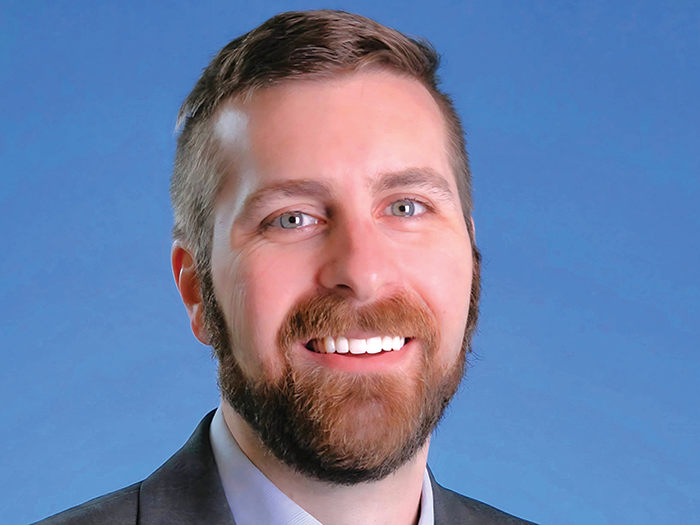
When Andrew Pelcin first walked into his new job at Aramark Corp. five years ago, he was struck by the company's very manual workers' comp claims management system.

"The claims team was entering information into (Microsoft) Word, saving it, and then taking the document and loading it into the risk management information system," he recalled.

Here was a company that could use his help, thought Pelcin, as he settled into his cubicle at company headquarters in downtown Philadelphia.

Pelcin had his work cut out for him. He rose to the challenge and now, five years later, not only is the process of entering claims data electronic, but the company is using the data to make injury correlations among the different offices of the far-flung enterprise.

Pelcin, associate vice president of decision support and analytics with Aramark's global risk management unit, said the transformation hasn't been without its challenges.

One of the most difficult tasks, he said, is to collect the information and use it to alter the behavior of field-level employees to promote safer working environments.

The goal is to "quantify the cultural awareness of safety," Pelcin said during a November 10 session titled "Closing the Safety Look: Driving Actions Based on Data Collection," at the Annual National Workers' Compensation and Disability ConferenceŽ & Expo in Las Vegas.

Keep in mind that the kind of employee base Pelcin's talking about: 250,000 hourly workers across 6,000 locations. Among the workers are former prison guards and college students, he said. That was just the opportunity Pelcin, who has a doctorate in anthropology, was looking for.

Pelcin's overhaul of Aramark's claims procedures through the implementation of the company's Safety Excellence Plan has worked so well that the costs of the company's claims have dropped by nearly 30 percent, he said.

Even human resources managers have sought advice and data from the risk management department, and the company will begin generating correlations between new variables such as profits, happy employees and geographic locations.

Pelcin said it is easy for managers and analysts to fall into the trap of giving workers too much information. "Make it as cut and dried as possible," he said.

Managers who want to change the behavior of field workers need to keep things as simple as possible and have to ask the right questions.

Maintaining safety is in everyone's job description, he also said. Managers who don't maintain a safe environment get weeded out.

November 10, 2010

Copyright 2010© LRP Publications


RISK logo
 

Back to top

Entire contents copyright © 2013 Risk and Insurance® All rights reserved. May not be reproduced in any form without written permission.