Search      Advanced Search | Browse By Topic
Magazine Content
Home
Features
Columnists
Industry Risk Reports
In-Depth Series
Special Reports
Point/Counterpoint
R&I One® Content
News & Analysis
Editor's Choice Stories
Resources and Tools
Power Broker® Directory
Risk InnovatorTM
Emerging Risks

Top Employee Benefits Consultant

Executives To Watch
Insights
Industry Events
WorkersComp Forum
Award Nominations
Webinars
RSS
R&I Information
Subscription Center
Advertiser Information
About Us
Contact Us
 

Newsletter Sign-up

Click on the name of the free newsletter below to preview:

R&I One®
WORKERSCOMP Forum TM Update
HTML Text
E-Mail Address:


Click here to unsubscribe
Privacy Policy
Preferences


Final rule reflects advances in shipyard practices and technology

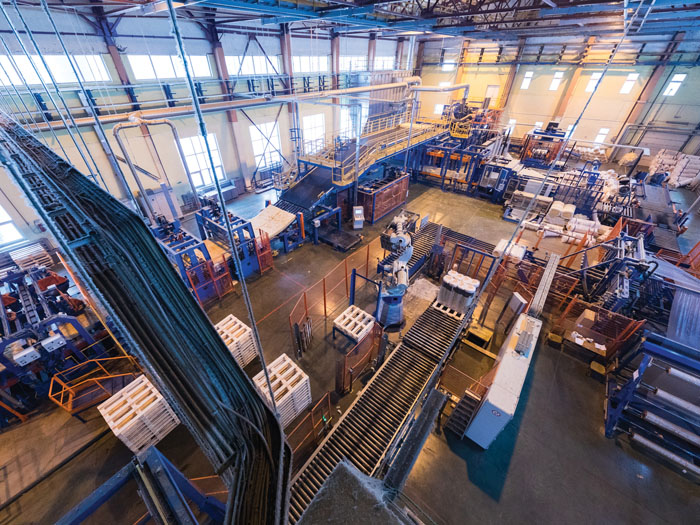
A new rule is aimed at preventing more than 300 injuries annually in shipyards. OSHA said the final rule covers all employers with employees engaged in shipbuilding, ship repair, or shipbreaking and will apply on vessels, vessel sections, and at landside operations.

Print Email Add to Facebook Add to Twitter Add to LinkedIn Write to the Editor Reprints

The rule updates and clarifies provisions in the shipyard employment standards that have been essentially unchanged since they were adopted in 1972. Among the 14 workplace safety and health categories addressed are new provisions for the control of hazardous energy and motor vehicle safety.

The control of hazardous energy, generally called lockout/tagout can cause machinery or equipment to start unexpectedly or it can be released during servicing or maintenance operations, according to OSHA. Such incidents can lead to serious injuries or deaths.

Transportation accounts for nearly 20 percent of all shipyard fatalities, according to the Bureau of Labor Statistics. The new rule seeks to reduce those incidents by requiring the use of seat belts when operating a motor vehicle in a shipyard -- even in New Hampshire, which does not have a seat belt law. The rule also prohibits employees from riding in the back of pickup trucks.

Other issues covered under the rule include eliminating slippery conditions and the accidents that result, establishing minimum lighting for certain work sites, accounting for employees working alone at the end of job tasks or work shifts, adding uniform criteria to ensure shipyards have an adequate number of appropriately trained first aid providers, and implementing proper sanitation requirements.

The estimated cost of the rule is $4.2 million with benefits expected to be $33.8 million per year, for a net benefit of $29.6 million annually. The rule takes effect Aug. 1, except for the provisions covering control of hazardous energy, which go into effect Oct. 31.

Read more at the WorkersComp Forum homepage.

June 2, 2011

Copyright 2011© LRP Publications


RISK logo
 

Back to top

Entire contents copyright © 2013 Risk and Insurance® All rights reserved. May not be reproduced in any form without written permission.