Search      Advanced Search | Browse By Topic
Magazine Content
Home
Features
Columnists
Industry Risk Reports
In-Depth Series
Special Reports
Point/Counterpoint
R&I One® Content
News & Analysis
Editor's Choice Stories
Resources and Tools
Power Broker® Directory
Risk InnovatorTM
Emerging Risks

Top Employee Benefits Consultant

Executives To Watch
Insights
Industry Events
WorkersComp Forum
Award Nominations
Webinars
RSS
R&I Information
Subscription Center
Advertiser Information
About Us
Contact Us
 

Newsletter Sign-up

Click on the name of the free newsletter below to preview:

R&I One®
WORKERSCOMP Forum TM Update
HTML Text
E-Mail Address:


Click here to unsubscribe
Privacy Policy
Preferences


Characteristics of jobsite support compensation for lightning strike

In North Carolina, expert testimony is not required in every workers' compensation case to establish that a worker's job exposed him to an increased risk of a lightning strike injury.

Print Email Add to Facebook Add to Twitter Add to LinkedIn Write to the Editor Reprints

Case name: Heatherly v. Hollingsworth Co., Inc., No. COA10-994 (N.C. Ct. App. 04/19/11).

Ruling: The North Carolina Court of Appeals held that a framer struck by lightning was entitled to temporary total disability benefits and additional medical treatment reasonably related to his hand injury.

What it means: In North Carolina, expert testimony is not required in every workers' compensation case to establish that a worker's job exposed him to an increased risk of a lightning strike injury.

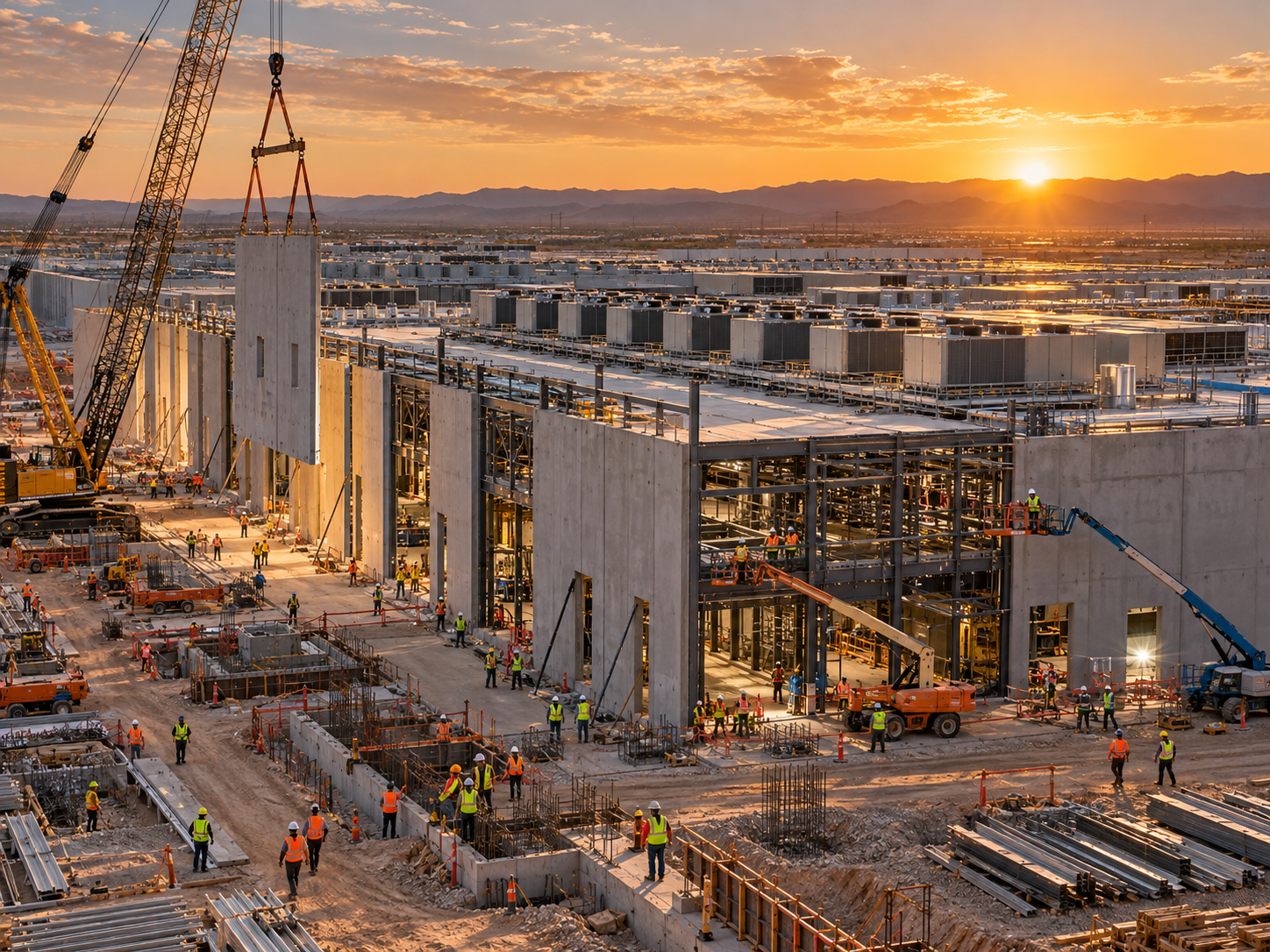
Summary: A framer and drywall hanger for a construction company was working at a jobsite where a new house was being built. The jobsite was near the top of a mountain and near metal towers. The house had a metal roof and weather vanes attached to the roof. The construction crew ran all their electrical cords for their equipment from the unfinished garage. The crew stopped work early due to rain, thunder, and lightning. The framer was in the garage when he was struck with an "electrical charge or jolt from the lightning," throwing him backwards 8 feet. When he landed, he struck his head, shoulders, and right arm on the concrete floor. The North Carolina Court of Appeals held that the framer was entitled to temporary total disability benefits and additional medical treatment reasonably related to his hand injury.

The company asserted that the framer did not present expert evidence that his employment placed him at an increased risk of sustaining a lightning strike than the general public. The court said that expert testimony was not required because previous cases relied on nonexpert testimony. The court concluded that the description of the physical characteristics of the jobsite supported a finding that the framer was at an increased risk of a lightning strike.

The court also found that the framer's testimony regarding pain in his hand and his inability to work was sufficient to support a determination that he was temporarily totally disabled.

The framer was also entitled to additional medical treatment for his hand injury. X-rays taken immediately after the injury revealed fractures, and the framer was referred to an orthopedic surgeon. The framer was not seen because the company denied his workers' compensation claim, and he did not have health insurance.

Read more at the WorkersComp Forum homepage.

June 13, 2011

Copyright 2011© LRP Publications


RISK logo
 

Back to top

Entire contents copyright © 2013 Risk and Insurance® All rights reserved. May not be reproduced in any form without written permission.