Search      Advanced Search | Browse By Topic
Magazine Content
Home
Features
Columnists
Industry Risk Reports
In-Depth Series
Special Reports
Point/Counterpoint
R&I One® Content
News & Analysis
Editor's Choice Stories
Resources and Tools
Power Broker® Directory
Risk InnovatorTM
Emerging Risks
Top Employee Benefits Consultant
Executives To Watch
Insights
Industry Events
WorkersComp Forum
Award Nominations
Webinars
RSS
R&I Information
Subscription Center
Advertiser Information
About Us
Contact Us
 

Newsletter Sign-up

Click on the name of the free newsletter below to preview:

R&I One®
WORKERSCOMP Forum TM Update
HTML Text
E-Mail Address:


Click here to unsubscribe
Privacy Policy
Preferences


When Carriers Outsource Claims

When claims are handled by outside counsel, policyholders can ask to have their work thrown out of court or, in the very least, to see the files of such counsel.

By Douglas Cameron

Print Email Add to Facebook Add to Twitter Add to LinkedIn Write to the Editor Reprints

Since the attacks of September 11, 2001, it has become increasingly common for insurance companies to investigate policyholder claims for insurance coverage not through in-house claims handlers but through outside attorneys.


For claims made under directors' and officers' insurance policies, this practice is ubiquitous. Insurance companies almost always assign outside law firms to correspond with the policyholder and third parties, review documents, interview witnesses and otherwise handle the claim.

Outside the D&O area, large liability and property claims are frequently assigned to outside lawyers to handle. I have also frequently seen insurance companies faced with a large number of similar claims from a mass catastrophe assign coverage counsel to handle the investigation of all such claims and come to a unified basis for denial of coverage.

Indeed, many law firms specializing in representing insurance companies boast of their experience in supervising and investigating insurance claims.

Most policyholders never learn that their claim has been handled not by the insurance company that they paid to adjust their claim fairly but by coverage counsel owing loyalty only to the insurance company. The only policyholders who learn about this are those who wind up in litigation. When their lawyers demand a copy of the claims file, they get nothing but copies of a few letters and an extended log of documents withheld because the insurance company says that they are protected under attorney-client privilege or as attorney work product from discovery by the policyholder. (Attorney-client privilege shields certain communications between lawyers and their clients. The work-product doctrine shields documents prepared by counsel in anticipation of litigation.)

For starters, an insurance company that conducts claims-handling through an attorney simply cannot conduct a fair and impartial investigation. Under the doctrine of good faith and fair dealing, universally applied to all contracts, as well as under statutes in every state regulating insurance company claims-handling practices, insurance companies are obligated to investigate policyholder claims in a fair and evenhanded manner, giving as much consideration to their customer's interest as they give to their own. In short, insurance companies are not permitted to "run for cover rather than coverage."

An attorney--who (while the term "zealous advocacy" seems to be disappearing from ethical canons) owes an overarching duty of advocacy to his or her client, the insurance company--simply cannot fairly evaluate a policyholder's right to insurance coverage. Rather, that attorney is ethically bound to find a way out for the insurance company, and to find any and all facts and arguments that would support a denial of coverage.

Beyond the inequities of such practice, a policyholder contesting a denial of coverage is entitled to see the fruits of the investigation of its claim, regardless of whether or not it was performed by counsel. Good-faith claims-handling is one of the services a policyholder purchases when it buys an insurance policy. The results of the claims investigation--and, indeed, the scope of that investigation--are crucial to the policyholder's ability to contest coverage defenses. In addition to evidence of coverage, the claims file may also contain admissions against interest or other readings of the insurance policy language, which would support arguments that the policy is ambiguous.

Insurance companies that conduct investigations through attorneys inevitably use materials generated in those investigations as a sword against their policyholders, so they should not simultaneously be able to shield these materials from discovery.

Fortunately for policyholders, courts in insurance coverage cases have recognized all of these points in rejecting privilege for claims-handling files generated by attorneys. For instance, in Securities & Exchange Commission v. Credit Bankcorp Ltd., a 2002 case before the U.S. District Court for the Southern District of New York, the court held that investigative documents are not privileged, even if generated by an attorney:

See also Continental Casualty Co. v. Marsh, out of the Northern District of Illinois from 2004, where the court found that, where an "attorney acts as a claims adjuster, claims process supervisor or claims investigation monitor, and not as a legal advisor, the attorney client privilege does not apply."

Similarly, in First Aviation Services Inc. v. Gulf Insurance Co., from the U.S. District Court of Connecticut in 2001, a complex directors' and officers' insurance coverage case, the policyholder was forced to compel production of claims-handling documents because of the insurance company's efforts to shield them by wrongfully asserting the attorney-client and work-product privileges.

In holding that the insurance company must produce the claims files of its attorneys, the court noted that "an insurance company 'may not insulate itself from discovery by hiring an attorney to conduct ordinary claims investigation'."

As to the insurance company arguments that such documents are protected by the attorney work-product doctrine applies, the court also found that to be wrong. It does not apply to documents generated as part of its ordinary business practices, which is the insurance company's duty to investigate and handle claims:

In short, case law provides support for policyholders seeking discovery of claims files generated by attorneys acting as claims-handlers. Policyholders in litigation with their insurance companies simply must seek this information, and move to compel when it is not produced.

Alternatively, the policyholder can move for an order prohibiting the insurance company from introducing any evidence gathered in the investigation by the attorneys, on the ground that the insurance company cannot use the privilege both as a shield and then later a sword.

Insurance companies, faced with impending orders to produce claims-investigation materials generated by attorneys, often settle in very short order.

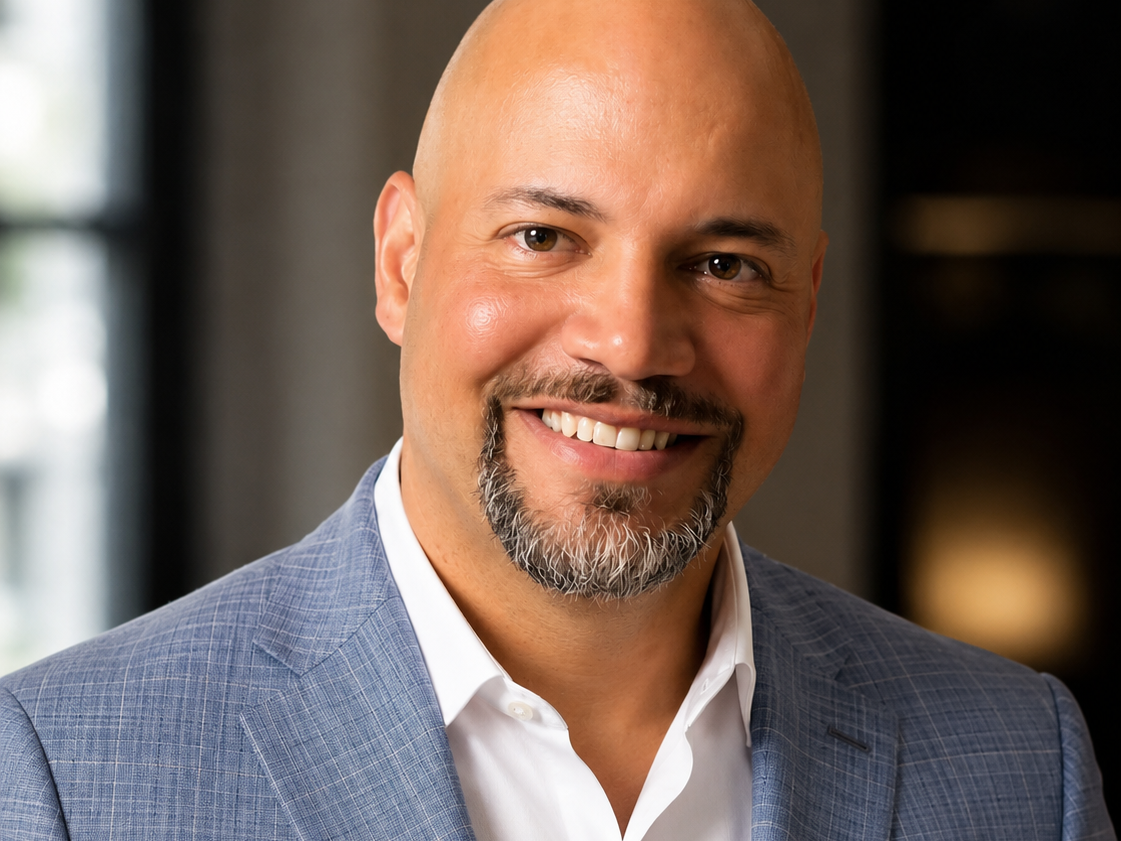
DOUGLAS CAMERON is a partner and practice group leader of the firmwide Insurance Recovery Group at Reed Smith.

June 27, 2011

Copyright 2011© LRP Publications


RISK logo
 

Back to top

Entire contents copyright © 2013 Risk and Insurance® All rights reserved. May not be reproduced in any form without written permission.