Search      Advanced Search | Browse By Topic
Magazine Content
Home
Features
Columnists
Industry Risk Reports
In-Depth Series
Special Reports
Point/Counterpoint
R&I One® Content
News & Analysis
Editor's Choice Stories
Resources and Tools
Power Broker® Directory
Risk InnovatorTM
Emerging Risks

Top Employee Benefits Consultant

Executives To Watch
Insights
Industry Events
WorkersComp Forum
Award Nominations
Webinars
RSS
R&I Information
Subscription Center
Advertiser Information
About Us
Contact Us
 

Newsletter Sign-up

Click on the name of the free newsletter below to preview:

R&I One®
WORKERSCOMP Forum TM Update
HTML Text
E-Mail Address:


Click here to unsubscribe
Privacy Policy
Preferences


Moody's: Latest frequency figures 'credit negative for P&C insurers'

The National Council on Compensation Insurance's most recent report on claims frequency does not bode well for the workers' comp system.

Print Email Add to Facebook Add to Twitter Add to LinkedIn Write to the Editor Reprints

In a recent Weekly Credit Outlook, Moody's Investor Service said the 2010 uptick in claims is credit negative for property/casualty insurers, that already face a myriad of economic challenges.

In a report issued last month, NCCI expounded on its message from this year's Annual Issues Symposium -- that frequency rose 3 percent in 2010, representing the first increase since 1997. Other than increases in 1994 and 1997, the claims rate had average annual declines of more than 4 percent since 1990.

"It was one of the few bright spots in this sector, one of the better things going on," said Enrico Leo, assistant vice president of Moody's Investor Service. "But now that 2010 shows a reversal, that's a little concerning."

Leo and other workers' comp observers say it's too soon to determine whether the frequency uptick will become a long-term trend. But the news was enough to prompt Moody's to take a credit negative view on this issue.

"It doesn't mean that ratings will be downgraded or that the industry is necessarily in crisis," Leo said. "It's just our opinion on this one development."

In its report, the National Council on Compensation Insurance cited a couple of possible reasons for the increased frequency. An increase in new hires as the economy started to emerge from the recession and an influx of small claims that might have been medical only in previous years were likely the main drivers.

The report on frequency adds to a list of strains on profitability among workers' comp insurers. Claim severity, for one, has been consistently increasing.

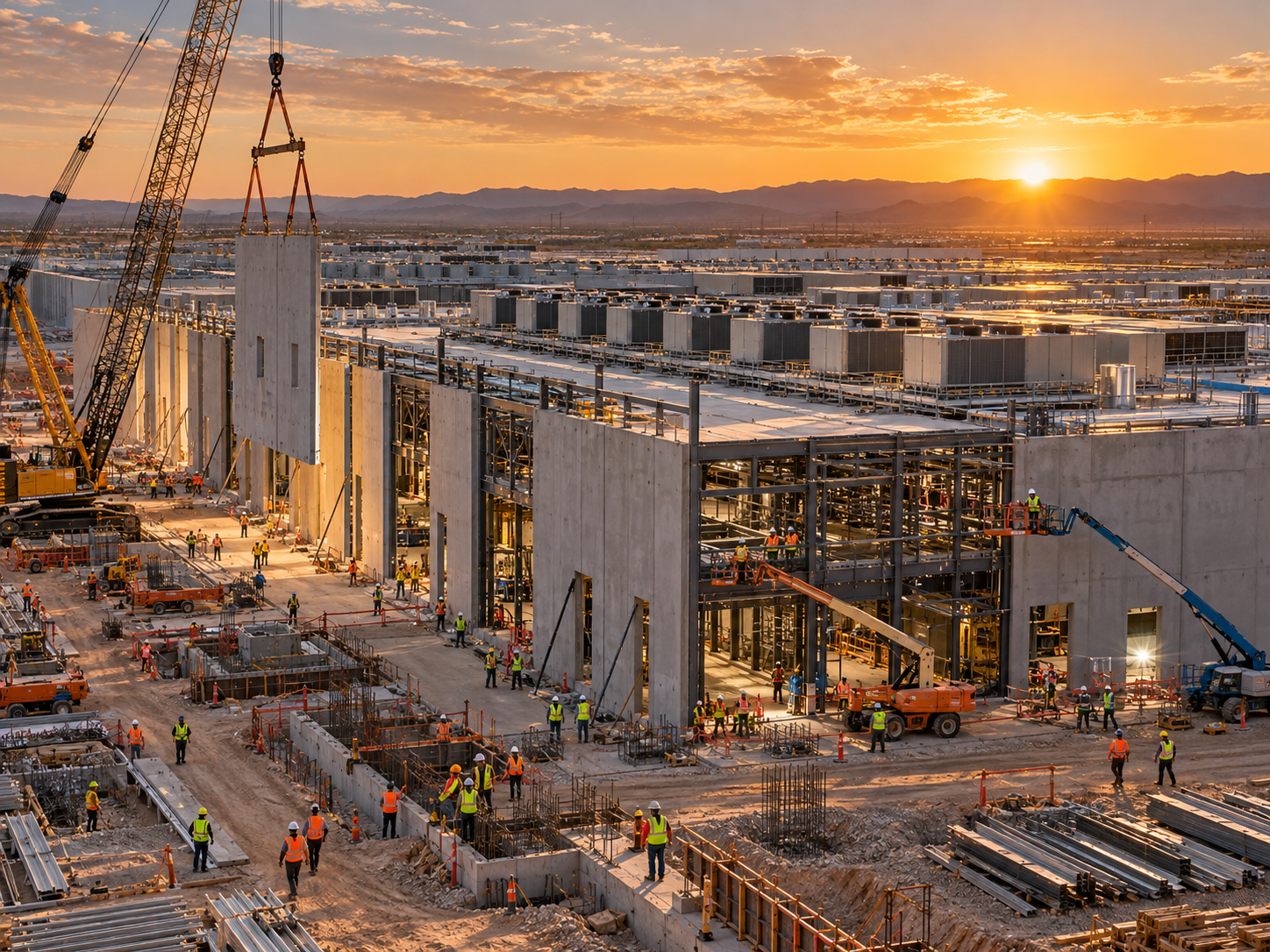
"The main challenge is high unemployment," Leo said. "This industry is driven mainly by the construction and manufacturing sectors."

With those sectors being so weak, Leo says workers' comp insurers will continue to face challenges. However, insurers that have sizeable percentages of large deductible policies will not be as severely affected since employers are sharing more of the risk.

Accident year combined ratios, which are a key measure of underwriting profitability, have been significantly higher in recent years -- 114 percent for 2010 compared with 109 percent in 2009 and 104 percent for 2008. NCCI has also reported adverse development among insurers in recent years, something Moody's expects to continue at least in the near term.

"According to our loss reserve analysis, workers' compensation reserves as of year-end 2010 are moderately deficient, with most of the deficiency attributable to the 2008-10 accident years offset by redundancies in earlier years," the Moody's report said.

"In 2011, insurers have been implementing modest rate increases in an effort to improve the profitability of workers' compensation."

Read more at the WorkersComp Forum homepage.

October 17, 2011

Copyright 2011© LRP Publications


RISK logo
 

Back to top

Entire contents copyright © 2013 Risk and Insurance® All rights reserved. May not be reproduced in any form without written permission.