DAN REYNOLDS, senior editor of Risk & Insurance®
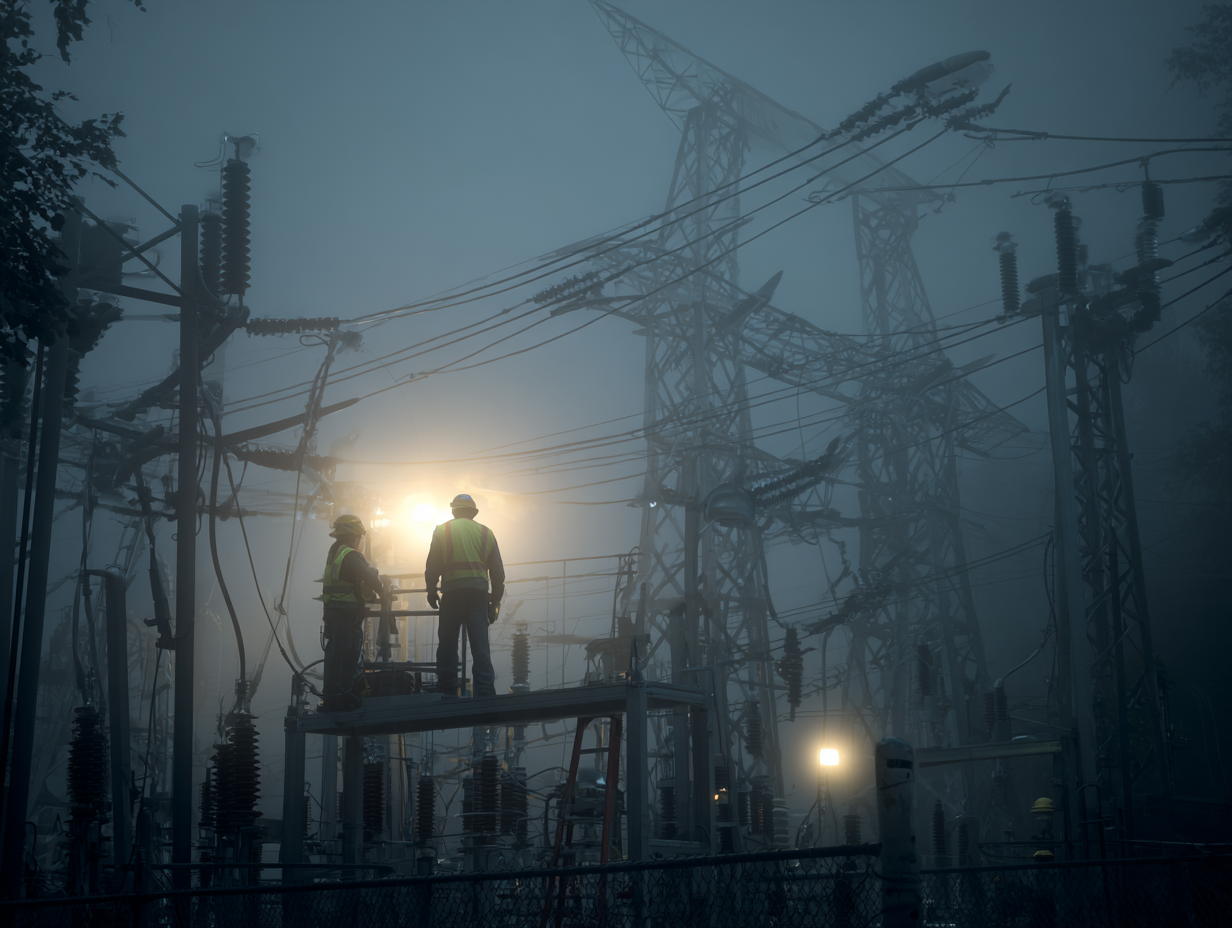
The winds that ripped through Southern California on December 1 and 2 served as a howling reminder of the risk management battles investor-owned utilities in California face, as they try to protect customer service and shareholder value against the risk of wildfires sparked by power lines.
It's an almost impossible situation to manage effectively as recent events have shown.
The most recent round of Santa Ana winds that buffeted Pasadena, Arcadia and other parts of Southern California reached wind speeds of 140 mph along some mountain passes, according to the National Weather Service.
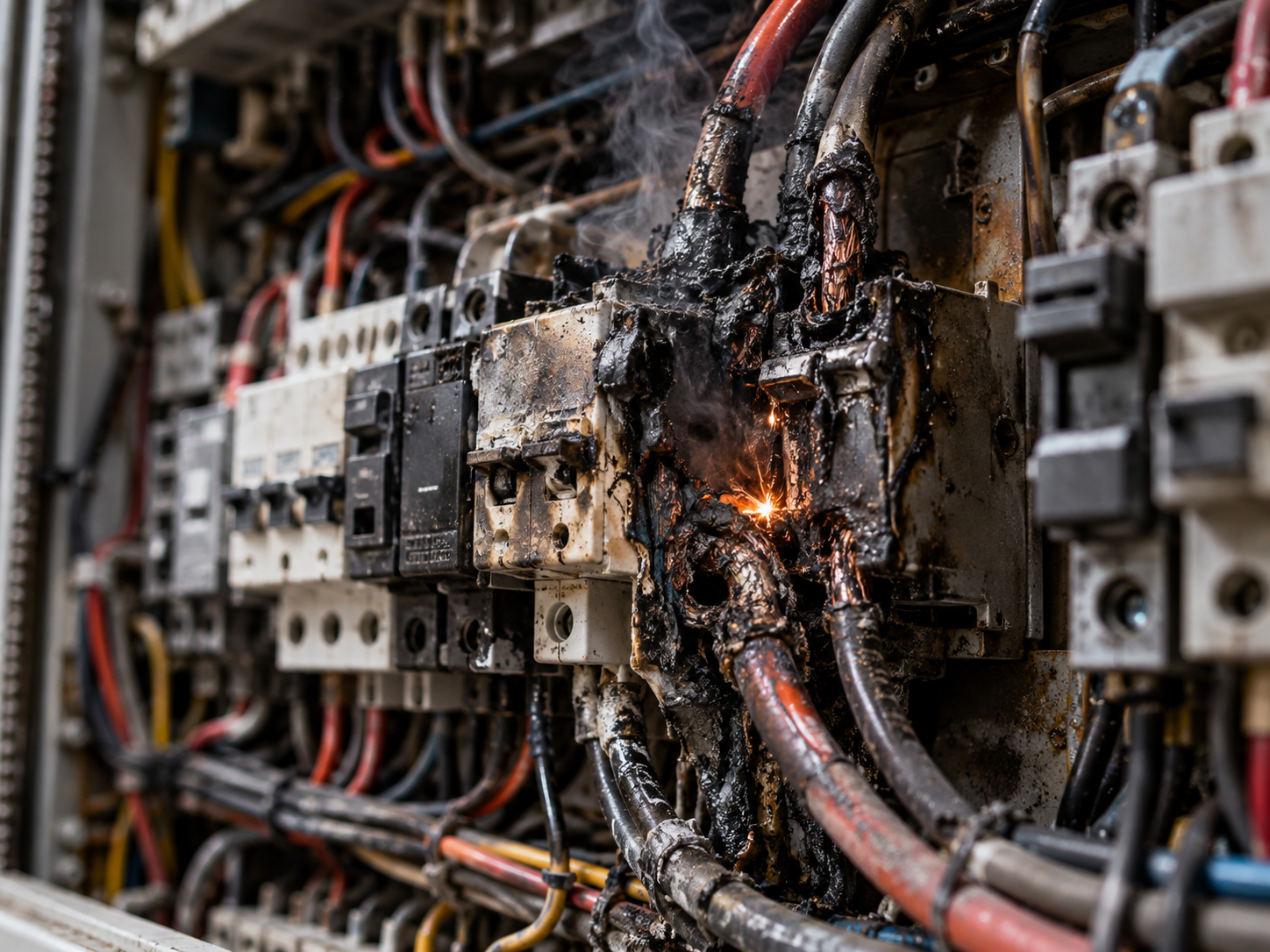
Those are daunting speeds considering the number of lawsuits and insurance settlements that have been recorded in the past few years from fires caused by those very same Santa Ana winds. In some notable fires, high winds caused tree limbs to fall on lines or conductors to collide, showering sparks over the dry desert floor, which led to wildfires that burned thousands of acres.


On December 15, the California Public Utilities Commission will consider new regulations that will stiffen the inspection and maintenance requirements for the owners of the thousands of miles of electrical wires in the state.
The new regulations, for example, call for patrol inspections every year for power lines located in high fire-threat areas of Southern California and inspection patrols every two years for the high fire-threat areas of Northern California.
Northern California still holds the record for domestic insured wildfire losses due to the $2.49 billion in insured losses racked up during the Oakland Hills fire of 1991. Utilities in Southern California saw insurance capacity evaporate in 2008 and 2009, after the $1.34 billion in insured losses that occurred in San Diego County in the Rice and Witch fires of 2007. Those resulted in the payment by San Diego Gas & Electric of $740 million to home insurers after it was determined that the utility failed to create the proper distance between conductors in the case of a conductor collision that caused the Witch fire, and hadn't trimmed a sycamore limb that fell on another line, causing the Rice fire.
The California Public Utilities Commission is also considering a request by a consortium of California utility companies to approve rate increases to establish what they call Wildfire Expense Balancing Accounts. The utilities are calling for the leeway to create the accounts after insurance capacity was radically reduced following the settlements in the San Diego County fires.
In testimony before the state Public Utilities Commission and in its filings with the Securities and Exchange Commission, San Diego Gas & Electric reported that insurance capacity in 2009 fell from $1.2 billion to $399 million. At the same time, insurance premiums jumped from $13.6 million to $55.2 million.
But not everyone is sold on the investor-owned utilities' claim that they need to raise rates to create what would be in effect a rate payer-supported layer of wildfire liability reinsurance. The Mussey Grade Road Alliance, a Ramona, Calif.-based citizens' and homeowners' group, has filed a protest with the state Public Utilities Commission, claiming that the utilities' request for a rate increase is unjustified.
The group points to Sempra-owned Southern California Edison's loss history as an example of why the commission should rule against the utilities. In the 10 years preceding the 2007 wildfires, the citizens' group alleges that Southern California Edison never had a wildfire liability loss that exceeded the insurance protection offered by its policies with Associated Gas & Electric Insurance Services, the utility-owned mutual that provides wildfire liability insurance.
"In fact, outside the October 2007 disaster, utilities have had little need to draw upon their insurers for liability issues," according to the Mussey Grade Road Alliance protest filing.
December 13, 2011
Copyright 2011© LRP Publications