Search      Advanced Search | Browse By Topic
Magazine Content
Home
Features
Columnists
Industry Risk Reports
In-Depth Series
Special Reports
Point/Counterpoint
R&I One® Content
News & Analysis
Editor's Choice Stories
Resources and Tools
Power Broker® Directory
Risk InnovatorTM
Emerging Risks
Top Employee Benefits Consultant
Executives To Watch
Insights
Industry Events
WorkersComp Forum
Award Nominations
Webinars
RSS
R&I Information
Subscription Center
Advertiser Information
About Us
Contact Us
 

Newsletter Sign-up

Click on the name of the free newsletter below to preview:

R&I One®
WORKERSCOMP Forum TM Update
HTML Text
E-Mail Address:


Click here to unsubscribe
Privacy Policy
Preferences


Is Cinema Security Changed Forever?

As the nation mourns Colorado's movie theater massacre, theater companies need to ensure security without inciting panic or turning off customers.

Print Email Add to Facebook Add to Twitter Add to LinkedIn Write to the Editor Reprints

By JARED SHELLY, senior editor/web editor of Risk & Insurance®

The teenage worker walked down the dark aisle of the movie theater auditorium, armed only with a subtle orange flashlight. Clad in her black United Artists uniform, she grabbed the handle of the exit door, gave it a little push to ensure it was locked from the outside, then moved away and out of sight.

Some of the audience members may have noticed her but most were probably too enthralled with "The Dark Knight Rises" to register what she was doing.

The crowd inside a recent showing at a theater in Philadelphia were safe, enjoying a Sunday matinee: Moviegoers in Colorado, as the nation now knows, weren't so lucky.

Double-checking the lock on the exit door is certainly one of the first responses in the new world of risk management at movie theaters.

For at least a little while, going to the movies -- the most American of pastimes -- will remind many of the massacre. The story of a killer storming into the Century 16 theater in Aurora, Colo., setting off tear gas and executing 12 innocent people while wounding 58 is still fresh in the minds of the American public.

While there are bigger and more important questions to discuss (like why the killer was able to legally buy such powerful artillery or what drives people to such madness), cinema owners across the country have been undoubtedly contemplating their security options ever since the shooting.

Should they install metal detectors? Pat down customers? Search bags? What about doing away with midnight shows? Or have police patrol exit doors to ensure they aren't opened?

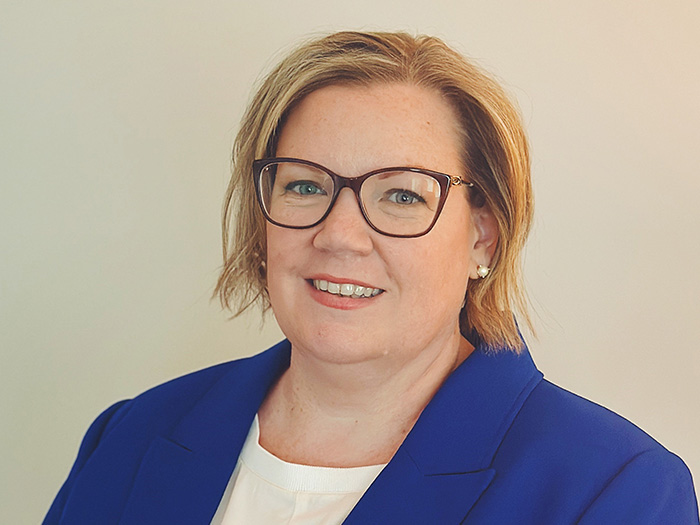
"I see it as a struggle between making people safe and being intrusive. It's hard to find a middle ground," said Christie Mattull, managing director at Momentous Insurance Brokerage, a California insurance broker for film, TV and media productions. "If you make it Fort Knox-ish, it will not be fun to go to the movies anymore."

Meanwhile, injured patrons or families of slain movie goers are very likely to sue, said Mattull, but the incident doesn't necessarily mean cinema owners are going to face higher insurance rates in the future.

"I don't know that insurance companies would necessarily punish all theater owners, from a rate standpoint," she said, noting however that they could start asking for loss-control protection on life and property.

Cinemas are already facing more fierce competition than ever before because the affordability of high-quality big-screen TVs and sound systems has led more people to wait until they can watch movies in the comfort of their own homes. There is also increasing demand for more films to be released On Demand the same day as they are released in theaters (which doesn't usually happen for big-budget action movies.)

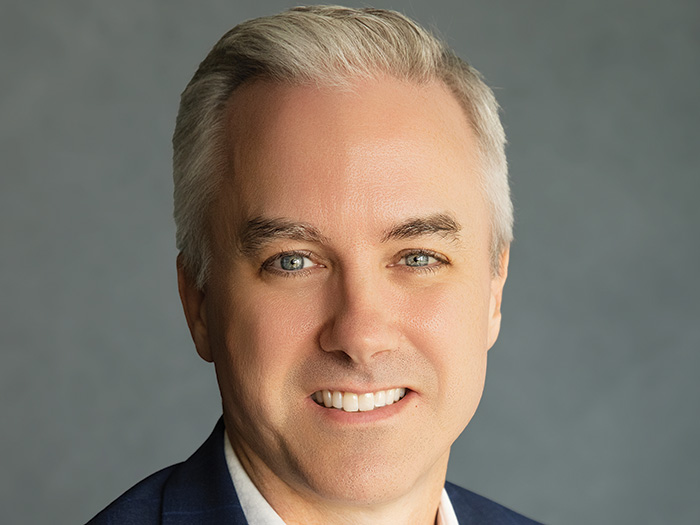
"The industry is trying to hang on, they don't want to make it more of a hassle to go to movies," said Bruce Blythe, CEO and chairman of Crisis Management International in Atlanta. "They don't want TSA [Transportation Security Administration] hanging out in front on movie theater."

Some movie-goers may be tentative about seeing their first film after the incident (similar to how airplane passengers felt after 9/11) but over time that will likely subside. Despite the shooting, "The Dark Knight Rises" earned more than $160 million during the weekend of July 21 and July 22.

Some incidents change security for certain sectors of the culture and the economy. After the 1999 Columbine shooting, high schools across the country installed metal detectors. In the wake of the 2007 Virginia Tech massacre, many college campuses installed campus-wide notification systems, where students and staff can be alerted of a gunman on campus via a text or call.

Blythe said that the shooting in Colorado, while tragic, will probably not lead to such widespread changes at movie theaters. Metal detectors, for example, would be a "knee jerk reaction" and a notification system simply won't work because people aren't going to want to register their phone numbers. Security guards checking bags at the entrance is just likely to make patrons mad.

Blythe thinks it's likely that employees will receive increased training on how to report and respond to threats of violence. Checking to make sure exit doors are locked from outside is also a good security measure that's minimally invasive for customers.

Sean Brady, president of Brady Risk, knows about unforeseen tragedies all too well. He served as the insurance broker for the IHOP restaurant in Carson City, Nev. where a killer randomly unloaded 75 rounds of ammunition in just two minutes. The September, 2011 shooting left five dead, seven wounded and plenty more traumatized.

"The carnage was just beyond comprehension," said Brady.

Since the economy has hurt many restaurants and forced them to keep menu prices low, many cut back on insurance -- something Brady advises against. In the IHOP case, the restaurant was back up and running in just a few months, after a combination of general liability, umbrella, property and workplace violence coverages kicked in. Governor Brian Sandoval even ate the first stack of pancakes.

In reflecting on the Colorado shooting, he said it should have wide-ranging implications on the movie industry.

"Midnight viewings are going to be a thing of the past," he said. (Since the movie technically came out on Friday July 20, the 12:00 a.m. show allows super-fans to watch it at the very first second after it is released.)

From an insurance perspective, Brady said that the shooting should trigger the theater's property coverage because of the damage to walls, seats and other parts of the auditorium. That should, in turn, trigger its business-interruption policy.

"You're not going to be able to take out a seat or two then open back up," he said. "They'll have to gut it and close for a long time."

Nearby theaters will probably see their attendance rates drop as well. After the IHOP shooting, Brady said that sales of two nearby IHOP restaurants fell by 15 percent to 25 percent for about a month.

Sadly, a one-off violent act is extremely hard to defend, said Blythe of Crisis Management International. And doing too much can create a sense of panic. Perhaps that's why United Artists simply sends a worker to quietly check the exit doors during a screening.

"If it's just a crazy guy with a gun," said Blythe, "there's not much you can do to defend that."

July 23, 2012

Copyright 2012© LRP Publications


RISK logo
 

Back to top

Entire contents copyright © 2013 Risk and Insurance® All rights reserved. May not be reproduced in any form without written permission.