Search      Advanced Search | Browse By Topic
Magazine Content
Home
Features
Columnists
Industry Risk Reports
In-Depth Series
Special Reports
Point/Counterpoint
R&I One® Content
News & Analysis
Editor's Choice Stories
Resources and Tools
Power Broker® Directory
Risk InnovatorTM
Emerging Risks

Top Employee Benefits Consultant

Executives To Watch
Insights
Industry Events
WorkersComp Forum
Award Nominations
Webinars
RSS
R&I Information
Subscription Center
Advertiser Information
About Us
Contact Us
 

Newsletter Sign-up

Click on the name of the free newsletter below to preview:

R&I One®
WORKERSCOMP Forum TM Update
HTML Text
E-Mail Address:


Click here to unsubscribe
Privacy Policy
Preferences


Obesity trumps aging as top influencer on workers' comp, experts say

ORLANDO -- Concerns about the aging of the workforce may all be for naught, suggest two workers' comp experts. Comorbidities will likely result in more baby boomers leaving the workforce sooner than previously thought.

Print Email Add to Facebook Add to Twitter Add to LinkedIn Write to the Editor Reprints

"This has reached pandemic proportions," said Robert Hartwig of obesity, diabetes, and other comorbid health conditions. "We are going to face mass premature retirements of baby boomers."

Hartwig, the president of the Insurance Information Institute, predicts many older workers who become injured won't be able to reassimilate into the workforce. "So the aging workforce may not be as strong as people thought," he said. "Baby boomers won't be able to come back into the system."

Speaking at the recent Florida Workers' Compensation Institute conference, Hartwig and NCCI's Jeff Eddinger outlined the latest factors impacting workers' comp and offered their predictions. Some positive labor market developments as well as adverse long-term developments are driving workers' comp exposure, Hartwig said.

"While the [economic] recovery has not been anywhere near what we want, it hasn't fallen back into recession," Hartwig said. "That's critical for the labor markets and for workers' comp."

Hartwig predicted the economy would grow in 2013 -- barring any major actions by Congress. He noted that consumer spending is up, as are auto sales and private sector housing construction. "We're not too far from seeing an increase," he explained, "powered in part by rich, foreign buyers."

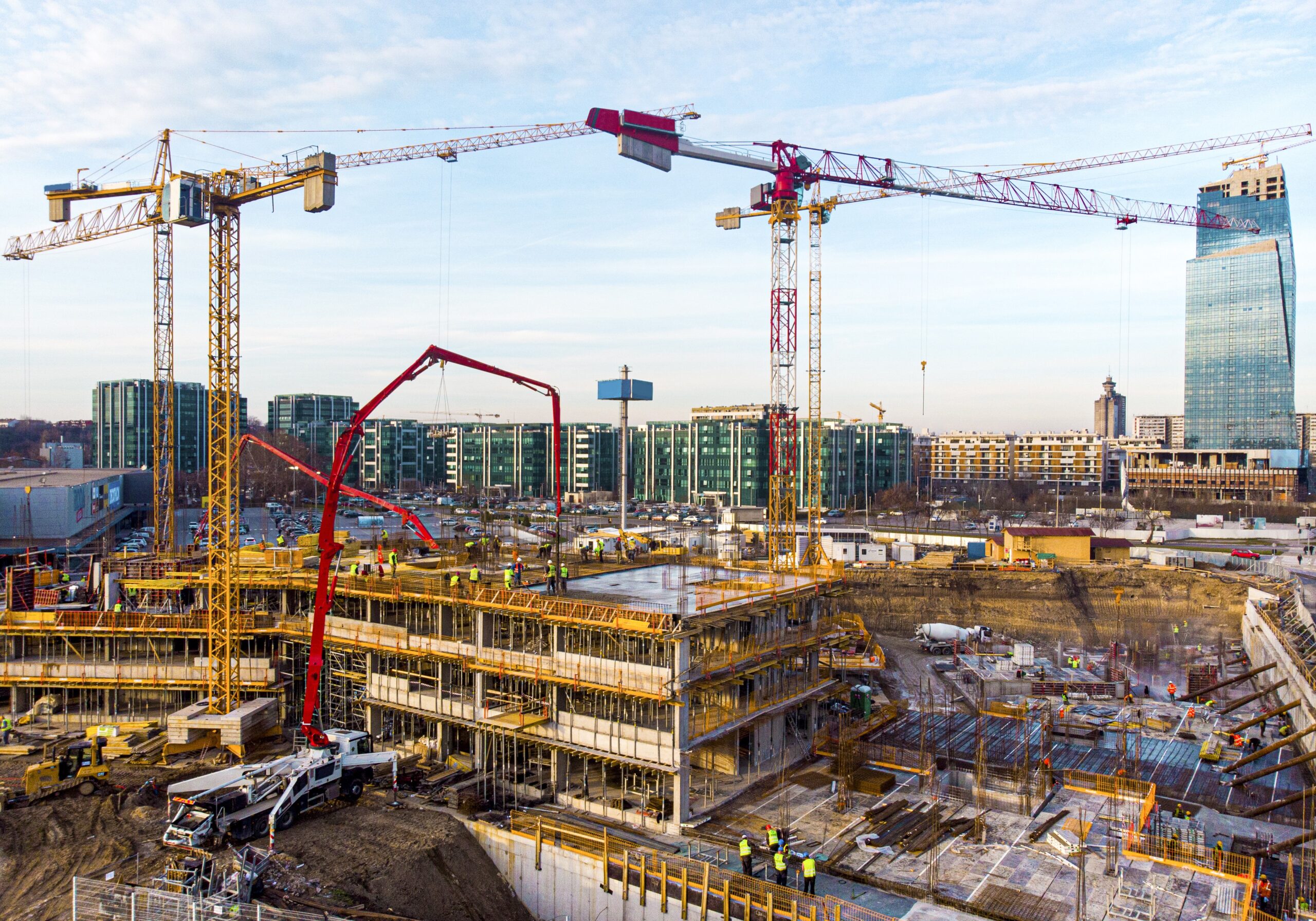
But Hartwig noted public sector construction has stalled as municipalities focus their dollars on pensions rather than new buildings. "That doesn't drive comp exposure," he said.

Manufacturing has been a bright spot for the economy; something Hartwig said he would not have predicted five years ago. At the same time, there are not a plethora of new jobs in that industry.

"The U.S. manufacturing sector has become much, much more productive," he said. While that drives foreign investment, it has not resulted in more jobs.

The number of business bankruptcies continues to drop while the number of business starts is increasing, Hartwig said.

Among the adverse, long-term labor market developments harming workers' comp exposure, Hartwig said, the rate of people unemployed for six months or more continues to be a serious issue, as their skills may atrophy. "I wonder if they have a higher rate of injury," he speculated.

Hartwig also said the labor force participation rate continues to shrink despite lower unemployment.

NCCI. "We're seeing some larger policies going to the residual market," said Eddinger, senior division executive of regulatory services for NCCI. "The market is getting tighter. You want to watch the residual market."

The workers' comp residual market saw its first premium increase since 2004. Growth in the residual market grew by 80 percent in the second quarter of 2012 compared to the same period last year.

Overall for the workers' comp market, Eddinger said underwriting results, flat frequency, and historically low interest rates were the negative factors while premium increases, only moderate growth in severity, and a minimal overall loss cost impact of frequency and severity are the three positives for workers' comp.

Read more at the WorkersComp Forum homepage.

September 13, 2012

Copyright 2012© LRP Publications


RISK logo
 

Back to top

Entire contents copyright © 2013 Risk and Insurance® All rights reserved. May not be reproduced in any form without written permission.