By ANNE FREEDMAN, senior editor of Risk & InsuranceŽ
In the day-to-day world of processing claims and complying with regulations, the needs of the injured worker are too often forgotten -- or even worse -- by those in the workers' compensation system.

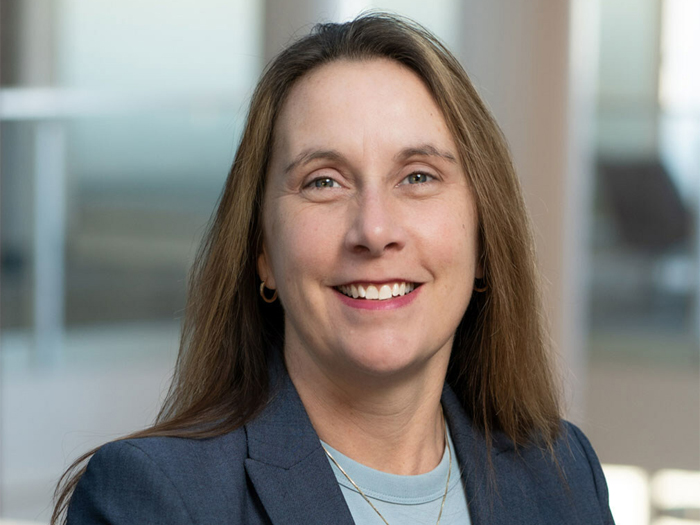
"Sometimes, the injured worker becomes the enemy. We need to shift that and they need to be a partner with us," said Jill Dulich, senior director of Marriott Claims Services.
Too often, said Dr. Jennifer Christian, president of Webility Corp., injured workers are treated as "feudal serfs," when they should be treated as customers.
Dulich and Christian were two of five industry leaders to share their thoughts during Wednesday's opening general session titled Intriguing Insights: Leaders Debate Solutions to Industry's Top Challenges, at the 21st Annual National Workers' Compensation and Disability ConferenceŽ & Expo.
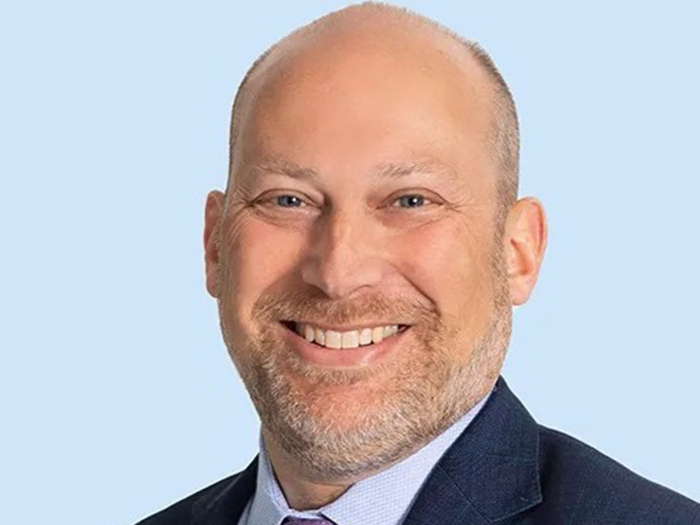
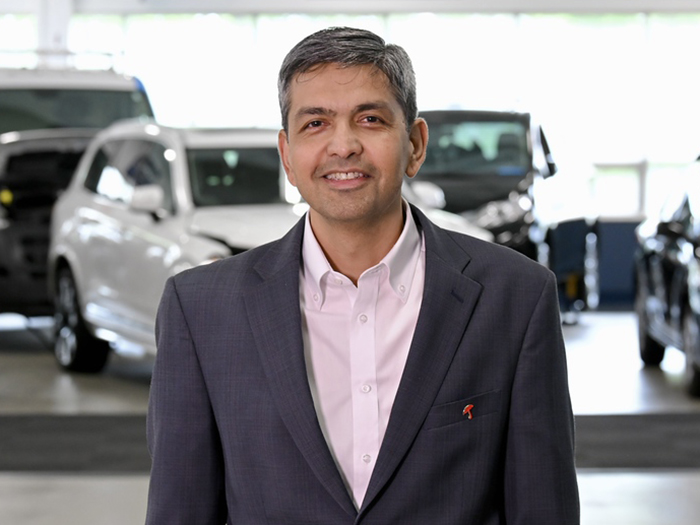
They were joined by Maureen Gallagher, managing director of Neace Lukens; John Leonard, president and CEO of Maine Employers' Mutual Insurance Co.; and Dave North, CEO of Sedgwick Claims Management Services Inc.
The session was moderated by Mark Walls, vice president of claims with Safety National, and manager of the Work Comp Analysis Group on LinkedIn.
Getting people back to work, Leonard said, "is one of the greatest outcomes we can achieve. ... Get them back into society and have them function in a stable environment, have them happy at home and you will get a better outcome."
But, an effective return-to-work program, Dulich said, requires that providers understand the employer's facility, functions and philosophy.
A physician will not send a worker back to a "Neanderthal" employer if there are concerns the employee's medical condition will not be taken into consideration, Christian said.
Good outcomes also require more innovation in the system, the panelists agreed.
Adopting a bio-psychosocial model -- an approach that sees social, biological and emotional or behavioral issues as playing a significant role in disease or illness -- would be a good step, Christian said.
Research has shown, she said, that individuals with adverse childhood experiences, for example, are more likely to have absenteeism problems, to display high-risk health behaviors such as smoking or drinking, and to require high medical costs. But, an effective return-to-work program, Dulich said, requires that providers understand the employer's facility, functions and philosophy.
Technology can be used to analyze and help predict what activities will -- or should -- occur during the claims process to help drive better performance, said Dulich.
In addition, North said, the use of "push technology," such as automatic email notifications for acceptance of claims and return-to-work dates, will both improve customer service and free up time for claims professionals.
He noted that 51 percent of claims are generally uneventful and easily managed, but compliance with best practices, processes and statutes require claims professionals to spend too much time with those easily managed claimants -- taking away from the time that could be spent on workers that need more attention.
That problem is exacerbated, Gallagher said, by the dizzying array of state regulations that lack "any kind of common sense rules [that transfer] from state to state."
In addition, Christian said, "we have changed our communications with doctors so it's almost all around money."
To create better outcomes, that conversation needs to change, Christian said, citing findings about motivation from Daniel Pink's book, "Drive." Doctors will deliver better care to patients if they are given more autonomy, and have a sense of mastery and purpose, she said.
"Are we overmanaging managed care?" Dulich asked. "We should be outcome focused and when some only focus on managing the provider, the provider is not going to be focused on outcomes."
As for claims professionals, add an ever-growing and ever-changing list of regulations to large case loads and the result can be "claims combat fatigue," Gallagher said.
And those claims professionals are part of an aging workforce, Walls said, asking where the next generation of claims professionals will be coming from.
Offering flex time, job sharing and innovative technology would attract the younger generation, Gallagher said. Some organizations are even tailoring hours to the school day, so mothers of young children can be home from work when their children get home.
North said it's also important to seek diversity in recruiting. More and more claimants, he said, are Hispanic or Asian men, while most claims professionals are white females, leading to "a bigger and bigger disconnect" between the groups.
November 12, 2012
Copyright 2012© LRP Publications