Search      Advanced Search | Browse By Topic
Magazine Content
Home
Features
Columnists
Industry Risk Reports
In-Depth Series
Special Reports
Point/Counterpoint
R&I One® Content
News & Analysis
Editor's Choice Stories
Resources and Tools
Power Broker® Directory
Risk InnovatorTM
Emerging Risks

Top Employee Benefits Consultant

Executives To Watch
Insights
Industry Events
WorkersComp Forum
Award Nominations
Webinars
RSS
R&I Information
Subscription Center
Advertiser Information
About Us
Contact Us
 

Newsletter Sign-up

Click on the name of the free newsletter below to preview:

R&I One®
WORKERSCOMP Forum TM Update
HTML Text
E-Mail Address:


Click here to unsubscribe
Privacy Policy
Preferences


A Workers' Comp App Store?

When will mobile devices be used to improve work safety and injury response? It's a ripe communication channel, thanks to the huge, recent penetration of smart phones and tablets, particularly among working age people.

By Peter Rousmaniere

Print Email Add to Facebook Add to Twitter Add to LinkedIn Write to the Editor Reprints

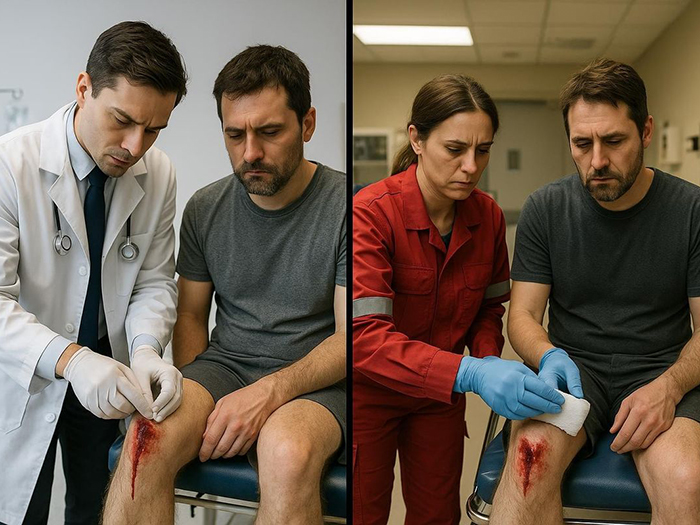
One insurer wants to induce its policyholders to use mobile devices to record in images or videos the scene of the injury. Its adjusters will learn more about the accident, such as evidence that could lead to subrogations.

Today, personal lines insurers appear to be much further ahead of workers' compensation insurers in exploiting mobile devices. Some have figured out how to squeeze the insurance buying decision into the size of a smart phone screen. But people appear to prefer to keep some functions such as actually going through with an insurance purchase on a laptop or desk top while using a mobile device for other tasks.

Ordering automobile roadside assistance is a task better suited to smart phones. The service knows your GPS-perfected location. The truck's expected arrival time is constantly updated. The app alerts you to local garages and hotels.

Technology consulting firm West Monroe Partners has developed a mobile application for the homeowners' insurance market for hail claims. When the policyholder opens the app, they receive instant GPS-driven information about the actually recorded hail severity in their neighborhood. The app will send urgent advice about protecting the home from further damage, and it can link the policyholder to local contractors.

The heads of workers' compensation claims divisions and firms that advise employers on safety and injury management shared a wide range of thoughts about mobile devices. One head of an employer advisory firm told me she didn't use a smart phone herself and had no idea how mobile devices might be useful. At the other extreme, an advisor to employers said he tells his clients never to send safety-related emails to employees that cannot be read easily on a smart phone.

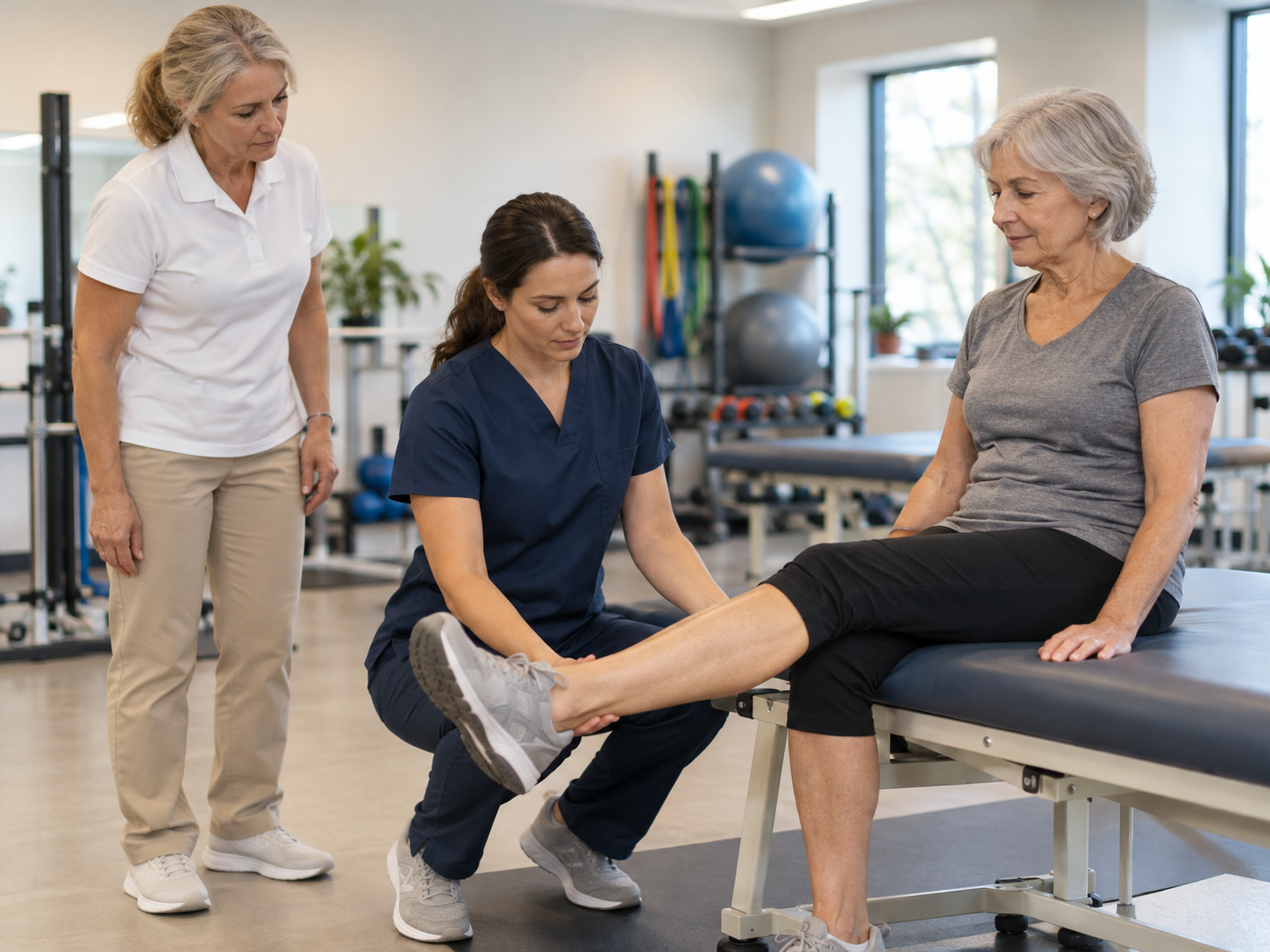
Examples of use in workers' compensation include an image record of the accident site, with commentary; a video of a proposed temporary modified work assignment; a video taken by the physical therapist of home exercises; and, instructional videos prepared by a safety professional with comments by workers who see the video on their mobile devices.

The following suggestions on the use of mobile devices might be useful, at least until more industry experience gathers:

First, go "native." If you want the mobile device user to perform more than the most simple task, do not require her to log into and navigate through a website. Instead, create an app for the step-by-step completion of the task at hand.

For example, say you want people to file initial notices of injuries. Asking them to go to a website and complete a first report of injury, with all its many and minutely sized fields, is cumbersome. But guiding them through a process that includes cues for attaching images and auto fills with data is easier.

Second is the Golden Rule of innovation in workers' compensation. It is, "Every party touched by an innovation must perceive a gain, or at least not be inconvenienced."

Start with a simple version, then revise to add more functions and, perhaps, types of users.

Sure, there are legal issues involving discovery of evidence. But by applying common sense, insurers, employers and medical providers should be able to find practical uses.

PETER ROUSMANIERE is an expert on the workers' compensation industry. He can be reached at riskletters@lrp.com.

March 1, 2013

Copyright 2013© LRP Publications


RISK logo
 

Back to top

Entire contents copyright © 2013 Risk and Insurance® All rights reserved. May not be reproduced in any form without written permission.