The best of R&I and around the web, handpicked by our editors.
White papers, service directory and conferences for the R&I community.
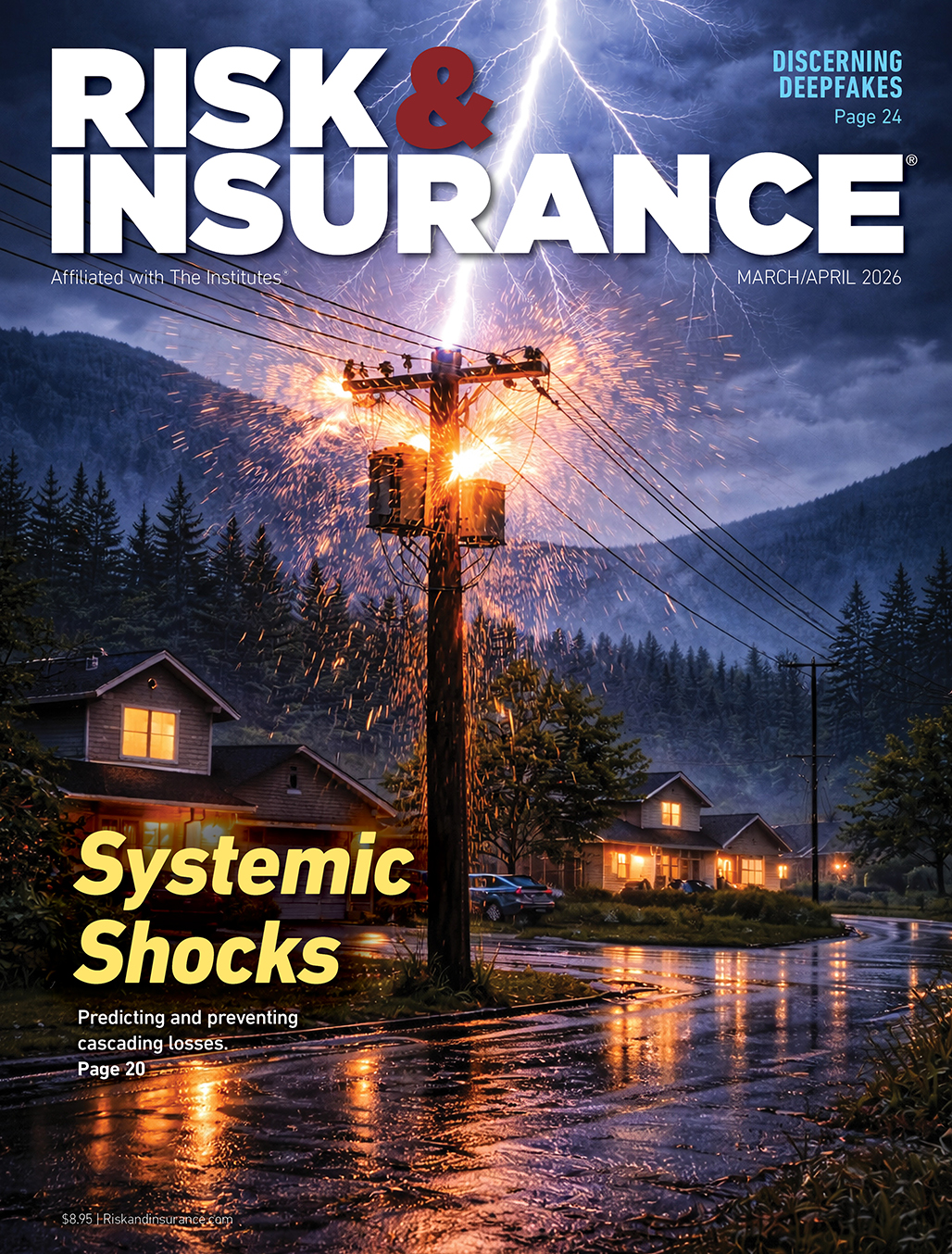
Web replica of the print magazine.
Natural disasters caused an estimated $112 billion in losses in the first half of 2026, with only $44 billion insured,…
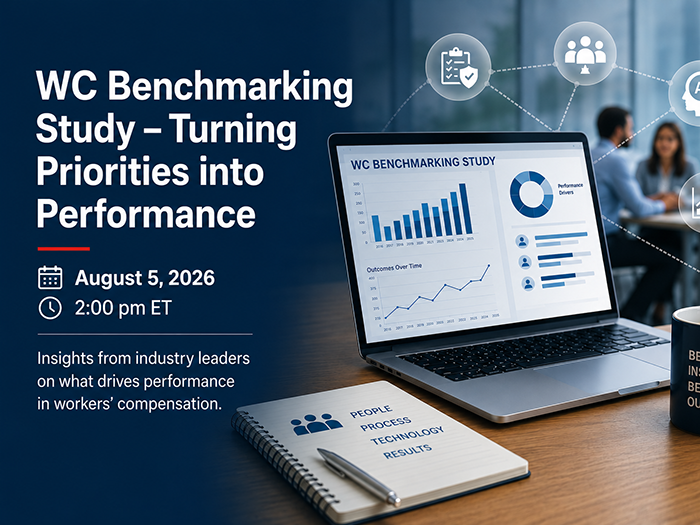
If claims organizations are pursuing many of the same priorities, why do some consistently outperform others? Join industry leaders as they unpack key findings from the latest Workers' Compensation Benchmarking Study and explore how top performers translate strategy into execution and execution into results.
Cheaper cyber insurance is flooding the market, but escalating risks are quietly testing its limit.


In this fictive scenario, a thriving boutique owner’s dream goes up in flames when a hidden electrical hazard and an overlooked insurance gap combine to deliver a devastating financial loss.
AI in claims is no longer about insight alone — it’s about embedding intelligence into everyday workflows to drive faster decisions, stronger outcomes, and more human-centered care.
Poverty produces its own cruel chaos. Consider the work done by these 2026 Power Brokers in the realm of affordable housing.
Featuring the risk brief and other top stories delivered to your inbox most days.
Durable medical equipment and certain professional services without fee schedule rates are consuming a growing share of payments, the Workers Compensation Research Institute found.
The rapid expansion of data center construction is reshaping how insurers evaluate complex construction, property and infrastructure risks.
As construction projects grow more complex and contractual requirements intensify, contractors are seeking efficient ways to meet their coverage obligations without sacrificing protection
Natural disasters caused an estimated $112 billion in losses in the first half of 2026, with only $44 billion insured, leaving a 60% protection gap, according to Munich Re.
This veteran risk pro encourages risk managers to challenge the norm and find solutions that go beyond transactional.
Workplace violence has risen steadily across most major industry sectors since 2011, with health care and social assistance remaining the epicenter of the problem, according to the NCCI.